
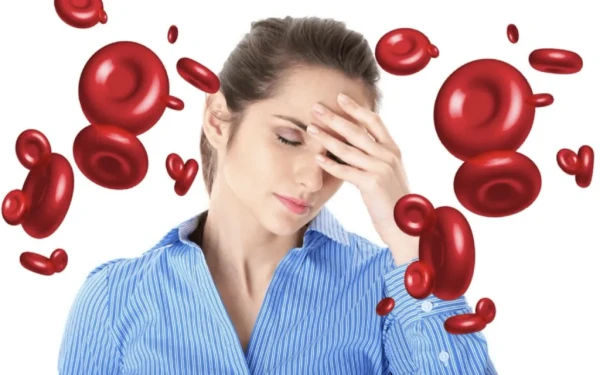
Hidden anemia may not show vivid symptoms for a long time, but it gradually worsens well-being and performance. Experts explain which signs should not be ignored and how to timely identify the problem.
What is Hidden Anemia
Hidden (latent) anemia is a condition in which the body's iron stores are already depleted, but the hemoglobin level may still remain within the normal range. As a result, tissues begin to experience a lack of oxygen, and symptoms often remain vague or poorly expressed. This is why many people are unaware of the problem for a long time, attributing their worsening condition to stress or fatigue.
Constant Fatigue and Decreased Energy
One of the most common signals is chronic fatigue that does not go away even after rest. The body receives less oxygen due to iron deficiency, which directly affects energy levels and performance. A person may feel weakness, drowsiness, and decreased concentration, which is often perceived as ordinary overwork.
Problems with Appearance: Skin, Hair, Nails
Hidden anemia often reflects on appearance. The skin becomes pale and dry, hair becomes brittle and prone to falling out, and nails become thin and flaky. These changes are related to the fact that iron deficiency disrupts tissue nutrition and slows down cell renewal processes.
Dizziness and Shortness of Breath
Even with moderate physical exertion, dizziness, a feeling of lack of air, and rapid heartbeat may occur. This is because the blood carries less oxygen than the body needs. Sometimes such symptoms occur periodically, making timely diagnosis difficult.
Decreased Concentration and Cognitive Impairments
Iron deficiency affects not only physical condition but also brain function. Difficulties with concentration arise, memory worsens, and productivity decreases. In severe cases, this can affect daily activities and quality of life.
Non-obvious Signals from the Body
Hidden anemia can manifest with unusual symptoms, such as changes in taste preferences or cravings for inedible items like ice or chalk. Frequent colds and decreased immunity are also possible, as the body is weakened and struggles to cope with infections.
How to Identify the Problem
The main diagnostic method is a blood test. It is important not only to assess hemoglobin levels but also to check ferritin levels, serum iron, and transferrin saturation. Ferritin is what allows for the detection of hidden iron deficiency even before full-blown anemia develops.
...Hidden anemia is a condition that can be easily overlooked but is dangerous to ignore. At the first signs—chronic fatigue, deterioration in appearance, or decreased concentration—specialists recommend undergoing examination and taking tests. Early detection helps avoid complications and restore health more quickly.













Leave a comment