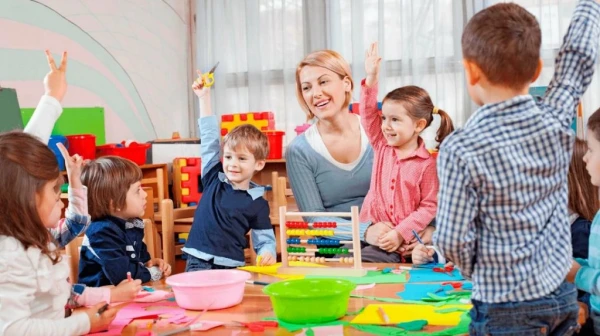
Parents of children starting kindergarten often face frequent colds. A group of researchers from University College London, combining a scientific approach with personal experience in raising a total of nine children, confirmed that attending preschool institutions 'toughens' the immune system. This is reported by Clinical Microbiology Reviews.
A study has confirmed the reality of the 'first year effect' in kindergarten. According to the data, a one-year-old child in their first year of attending daycare contracts 12-15 respiratory infections, two gastrointestinal infections, and one or two infections with rashes. The authors note that personal experience in fighting infections fully aligns with epidemiological data.
Frequent illnesses in kindergarten are not related to hygiene or negligence of the staff, but rather to biological characteristics. The immune protection received from the mother weakens by the age of one, and kindergarten becomes a 'training camp' for the immune system: it encounters viruses and bacteria for the first time and learns to resist them.
Children attending daycare are more likely to get sick between the ages of one and five than their peers who stay at home. However, the situation changes in school: 'toughened' children from kindergarten miss classes less frequently, while those who did not have early collective experiences see an increase in illness frequency. Vaccination and adherence to quarantine remain key protective measures. Researchers also urge employers to consider the need for sick leave for parents caring for a sick child.