
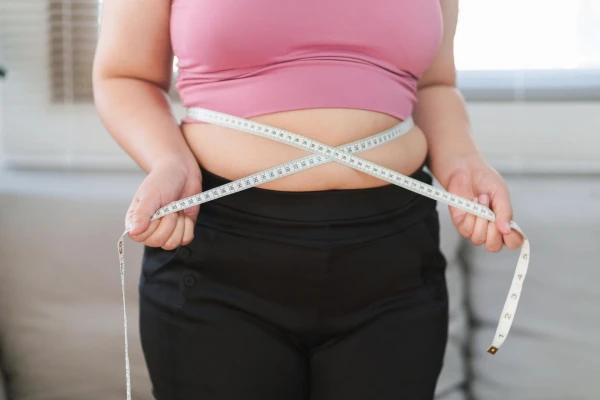
You are monitoring your diet, exercising, and trying to avoid "unhealthy" foods, but your belly still isn't shrinking? This is a common situation. It's not always about a lack of effort — more often, the problem lies in widespread misconceptions and habits that hinder results.
Let's examine the main mistakes that make a flat stomach an unattainable goal.
1. Expecting Localized Fat Burning
Many believe that if they do crunches every day, the fat from their belly will disappear. But the body works differently — it burns fat evenly, not in a specific area. The belly area often loses fat last.
Therefore, it is important to focus on overall fat percentage reduction: a moderate calorie deficit, strength training, cardio, and quality sleep provide a much greater effect than endless crunches.
2. Ignoring Stress
Even with proper nutrition and training, chronic stress can hinder weight loss. Elevated cortisol levels contribute to fat accumulation specifically in the belly area.
Reducing stress impact can be achieved through regular sleep, walks, breathing practices, relaxation, and socializing. Sometimes, emotional balance is what triggers progress.
3. Too Strict Dietary Restrictions
Severely cutting calories can yield quick but short-lived results. The body perceives this as a threat and slows down metabolism, starting to store energy.
The optimal approach is a moderate deficit (about 15–20% of the norm), sufficient protein, fiber, and fats. Stability is more important than extreme diets.
4. Overeating "Healthy" Foods
Even healthy foods can lead to excess calories. Nuts, smoothies, avocados, or granola are nutritious but quite calorie-dense.
Portion control is key. A mindful approach to eating and tracking calories helps avoid unnoticed overeating.
5. Avoiding Strength Training
Many avoid weight exercises, fearing they will become "bulky." In practice, strength training helps tone the body and speeds up metabolism.
Exercises targeting large muscle groups — legs, back, and glutes — are especially important. The more muscle, the more energy the body expends.
6. Focusing on Detoxes Instead of Water
Popular detox programs often create an illusion of results through fluid loss rather than fat loss. Meanwhile, lack of water can cause bloating and fluid retention.
Regular water intake (about 1.5–2 liters a day) supports normal body function and helps avoid swelling.
7. Judging Results Solely by the Scale
Weight is not the only indicator of progress. Even if the numbers on the scale do not change, the body can become more toned due to muscle growth and fat loss.
Measurements and photos provide a more accurate picture. Sometimes visual changes are much more significant than they appear.
8. Expecting Quick Results
Belly fat disappears slowly, especially if it has accumulated over years. Attempts to speed up the process often lead to disappointment and setbacks.
It is much more effective to focus on long-term changes — a healthy lifestyle, regular activity, and sustainable habits.















Leave a comment