
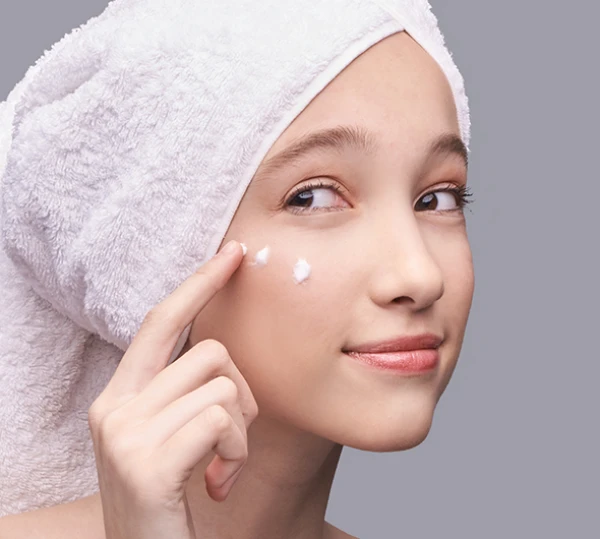
Adolescent acne remains one of the most common skin problems faced by most young people. However, modern treatment methods allow for effective control of breakouts—provided there is a proper approach and timely consultation with a specialist.
Acne is a chronic inflammatory skin condition that most commonly manifests during adolescence. According to specialists, up to 80–90% of adolescents face this issue, making it one of the most prevalent dermatological conditions.
The causes of breakouts are complex. Among the main factors are increased sebum production, clogged pores, the activity of Cutibacterium acnes bacteria, and inflammatory processes in the skin.
Modern dermatology views the treatment of acne as a comprehensive task. Therapy targets several mechanisms simultaneously: reducing inflammation, controlling bacteria, normalizing sebaceous gland function, and renewing the skin.
Individual Approach is the Basis of Treatment
Experts emphasize that there is no universal remedy for acne. The treatment strategy is always tailored individually and depends on the severity of the condition, skin type, and the patient's age.
Self-treatment often leads to a worsening of the condition: aggressive products can dry out the skin, exacerbating inflammation, while improper use of medications can lead to bacterial resistance.
Main Treatment Methods
Modern approaches include a combination of several directions:
1. Topical Therapy
This is the basic stage of treatment for mild to moderate forms of acne. Anti-inflammatory and antibacterial agents are used, as well as components that regulate skin renewal.
Common active ingredients include benzoyl peroxide and retinoids, which help clear pores and reduce the number of bacteria.
2. Systemic Treatment
For more severe forms, antibiotics, hormonal therapy, or retinoids may be prescribed. Such medications are used strictly under a doctor's supervision.
3. Hardware and Cosmetic Procedures
Modern methods include laser and light therapy, chemical peels, and professional cleanings. These procedures help reduce inflammation and accelerate skin recovery.
4. Skin Care
Properly selected skin care is an important part of treatment. It includes gentle cleansing, moisturizing, and using products that do not clog pores.
Why It Is Important Not to Delay Treatment
Acne is not just a cosmetic issue. It can affect adolescents' self-esteem and lead to psychological discomfort.
Moreover, without treatment, the risk of scarring and post-acne increases, which is significantly harder to eliminate.
Common Mistakes
Among the most frequent mistakes are attempts to squeeze pimples and using unsuitable products. This can lead to the spread of inflammation and worsen the skin condition.
Another mistake is relying on advice from the internet or the experiences of acquaintances. Each person's skin is unique, so treatment should be tailored by a specialist.
...Modern methods allow for effective control of adolescent acne and significantly improve skin condition. Key factors include early consultation with a dermatologist, a comprehensive approach, and regular care. When these conditions are met, the problem becomes manageable and is successfully resolved in most cases.











Leave a comment