
If you often experience heaviness in the stomach, digestive problems, or excess weight that you cannot seem to lose, the cause may be a lack of fiber in your diet.
Fiber is considered one of the key elements of a healthy diet. It helps the intestines function properly, contributes to stabilizing blood sugar levels, and supports weight loss. Let’s take a closer look at why the body needs plant fibers and what signs may indicate their deficiency.
What Fiber Is
Fiber is plant-based material that is not broken down by the enzymes of the gastrointestinal tract. It is almost indigestible and passes through the intestines in nearly unchanged form, stimulating its function and improving peristalsis.
There are two main types of fiber:
Soluble Fiber
Dissolves in water, forming a gel-like substance. It slows down the digestion process and helps lower cholesterol levels in the blood.
Insoluble Fiber
Remains largely unchanged as it passes through the gastrointestinal tract. It speeds up the movement of food through the intestines and helps prevent constipation.
Why Fiber Is So Important
Regular consumption of fiber-rich foods helps:
- maintain normal intestinal function
- stabilize blood sugar levels
- reduce the risk of cardiovascular diseases
- decrease the likelihood of developing type 2 diabetes
How Much Fiber Does the Body Need
Doctors consider the optimal norm to be about 25 grams of fiber per day for women and about 38 grams for men. However, in practice, most people consume significantly less.
For example:
- one medium apple contains about 4 grams of fiber
- two slices of whole grain bread contain about 3 grams
A lack of fiber can lead to the following problems:
- constipation and digestive disorders
- increased cholesterol levels
- heightened risk of cardiovascular diseases
- increased likelihood of colon cancer
- development of obesity and diabetes
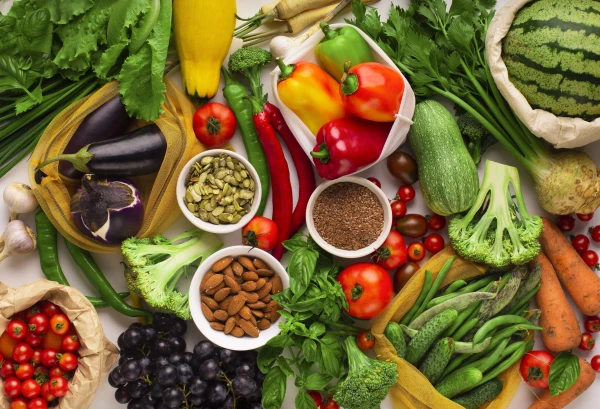
Foods Rich in Fiber
To replenish its deficiency, the diet should include:
Vegetables:
- broccoli, carrots, spinach, beets.
Fruits:
- apples, pears, oranges, various berries.
Whole Grain Products:
- oatmeal, brown rice, whole grain bread.
Legumes:
- beans, lentils, peas.
Nuts and Seeds:
- almonds, walnuts, flaxseeds.
How to Understand That the Body Lacks Fiber
There are several obvious and less noticeable signs of fiber deficiency.
Constipation and Difficulty with Bowel Movements
When fiber is low, food moves more slowly through the intestines. As a result, constipation and discomfort in the abdomen occur.
Constant Hunger
Soluble fiber helps maintain a feeling of fullness for longer. When it is lacking, the feeling of hunger returns more quickly, causing a person to snack more often.
Weakness and Increased Fatigue
A lack of fiber can impair the absorption of certain nutrients. This sometimes manifests as decreased energy and overall fatigue.
Skin Problems
Fiber deficiency can disrupt the balance of intestinal microflora. This can reflect on the skin condition — rashes, irritation, or acne may appear.
Bad Breath
Disruption of intestinal function and constipation are often accompanied by bad breath.
Elevated Cholesterol Levels
Soluble fiber helps bind and eliminate cholesterol. Its deficiency increases the risk of harmful fats accumulating in the body.
Difficulty Controlling Weight
High-fiber foods provide satiety more quickly and help control appetite. If they are scarce in the diet, regulating weight becomes significantly harder.
Bloating and Abdominal Discomfort
A lack of plant fibers can worsen the state of intestinal microflora, causing gas and painful sensations.
Fluctuations in Blood Sugar Levels
Fiber slows down the absorption of carbohydrates and helps maintain stable glucose levels. Its deficiency increases the risk of sharp spikes in sugar.
General Deterioration of Well-Being
Constant headaches, irritability, and unstable health may also sometimes be related to insufficient fiber intake.
















Leave a comment