
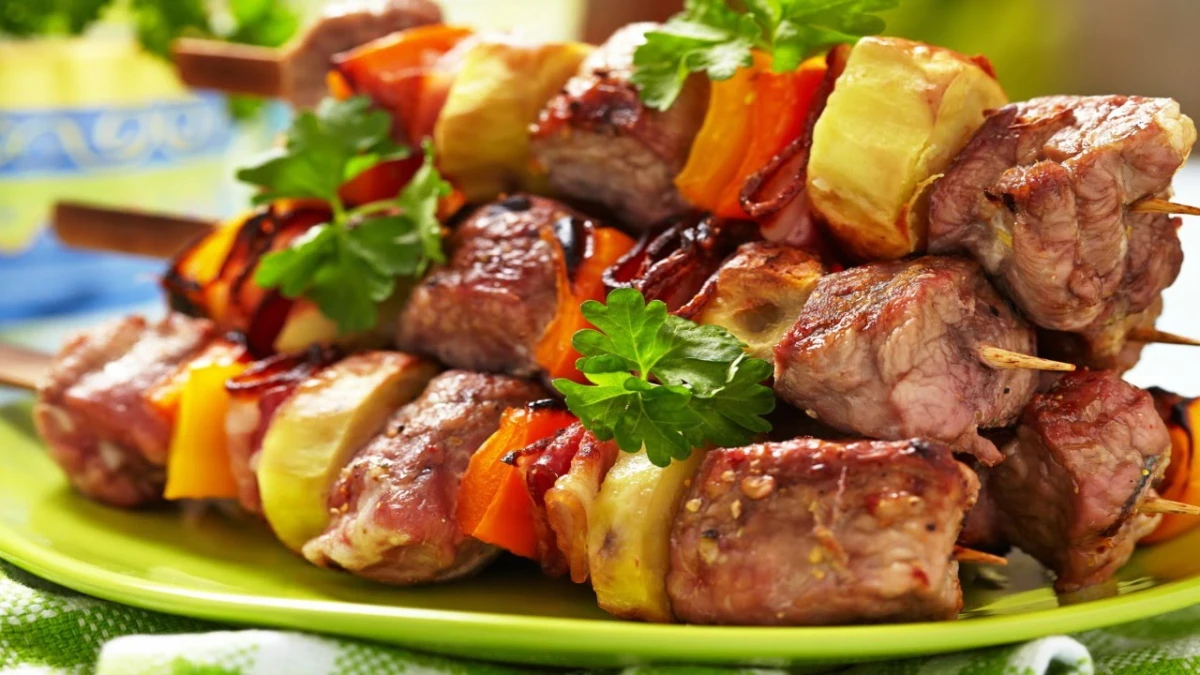
Aromatic shashlik is one of the symbols of relaxation, but grilling over coals can produce dangerous substances in the meat. According to experts, fat and juice that come into contact with hot coals trigger chemical reactions, resulting in the formation of carcinogens.
According to Associate Professor Irina Permyakova, the longer and more intensely meat is grilled (especially when charred), the higher the concentration of dangerous compounds.
Polycyclic aromatic hydrocarbons (PAHs) are formed during the combustion of fat on coals. Smoke containing these substances settles on the meat, and PAHs are best retained in the fat layers rather than in the meat protein. The most dangerous representative is benzo[a]pyrene.
Heterocyclic amines arise from reactions between proteins and sugars. The longer the grilling and the darker the crust, the more of them there are.
Nitrosamines are the main threat for lovers of sausages and grilled meats. Nitrites and nitrates, which are added to meat products for color and preservation, turn into powerful carcinogens when heated above 130 °C.
As explained by medical science candidate Sergey Solodnikov, the liver tries to neutralize the carcinogens that enter the body with shashlik, but in the end, it can create even more aggressive substances—epoxides. They penetrate the cell nucleus and literally break the links in DNA, especially guanine. When the cell divides, a mutation occurs at the damaged site. Thus, frequent trips for shashlik or indulging in this dish excessively can increase cancer risks.
"If the mutation affects the p53 gene—the main guardian that prevents cells from transforming into cancerous ones—the oncological process is triggered. The colon, prostate, breast, and pancreas are most often affected," warns Solodnikov.
It is important to note that this can only happen if shashlik is your main dish in life. A one-time "event" of eating shashlik during the May holidays will not cause harm, especially if you know how to make shashlik not only tasty but also healthy. Here are the scientists' recommendations.
What Meat and Charcoal to Choose for Shashlik
There is a clear classification by WHO. Sausages, cold cuts, ham, and bacon fall into group 1, meaning they are in the same list as tobacco smoke. These are proven carcinogens for humans. "This does not mean that a sausage is as dangerous as a cigarette—it's about the degree of proven connection, not the strength of the effect," adds the expert.
Whole red meat (beef, pork, lamb) is classified as group 2A, "probably carcinogenic to humans"—depending on the degree of doneness. White meat (chicken, turkey) is not at special risk and forms fewer dangerous compounds.
As for the coals, according to Irina Permyakova, coal contains many harmful impurities—minerals, volatile compounds, and even carcinogenic benzo[a]pyrene, which enter the food when burned.
The best choice is birch charcoal, which ignites easily, provides even heat, and does not emit toxic substances, or oak charcoal—it is denser and heavier than birch but burns longer.
How Much Shashlik to Eat
To avoid increasing cancer risks, scientists recommend eating shashlik no more than once a month, limiting portions to 100–200 g. It is essential to pair the meat with greens rich in antioxidants: parsley, cilantro, basil, arugula.
"The day after a picnic with meat, it's good to arrange a fruit and vegetable detox for the body," recommends Sergey Solodnikov.
Who Should Avoid It
Children under 3 years old—their bodies are not yet ready to digest meat with connective tissue.
Children aged 3–7 years—literally 2–3 pieces of turkey or chicken marinated in yogurt.
Pregnant women—up to 200 g of lean beef or chicken without charred crust and with vegetables.
The dish should be completely excluded in cases of gastritis, pancreatitis, cholelithiasis, gout, obesity, and exacerbations of liver diseases.
Based on the above, the risks from shashlik directly depend on the frequency of its consumption and the method of preparation, writes bb.lv. Moderation, the right choice of meat and charcoal, as well as avoiding charred crust help reduce harm. In reasonable amounts, the dish is not dangerous, but it should not become a regular habit—this is what increases the burden on the body and may raise cancer risks.







Leave a comment