Packaged porridge has long been a convenient solution for a quick breakfast or snack. But are they really as healthy as they seem, or are there downsides hidden behind the convenience? We explore what to pay attention to in the composition of ready-made porridge and how to choose wisely.
Why Quick Doesn’t Always Mean Healthy
Instant porridge, which can be prepared in a couple of minutes, does save time. However, its nutritional value often falls short compared to traditional whole grain porridge, which takes longer to cook but retains maximum nutrients.
The processing makes the contents finer and pre-processed, which raises the glycemic index of the product and means a quick spike in blood sugar levels after consumption.
Some instant products contain added sugar, flavorings, and salt—elements that are unnecessary for basic porridge. Their excess can lead to sharp fluctuations in glucose levels and a decrease in the feeling of satiety.
Nutritional Properties of Grains Remain, But Be Careful with the Ingredients
The basis of any porridge is the grains themselves: oats, buckwheat, rice, millet, and other types. Grains are rich in complex carbohydrates, fiber, and micronutrients that support digestion and provide energy.
However, in packaged porridge, some nutrients may be lost due to technological processing. Added sweet components increase calorie content and reduce the product's benefits.
Packaged porridge with sugar and flavorings is a less healthy choice than natural grains. This is especially important for people with diabetes, a tendency to gain weight, or high blood sugar levels.
Pros and Cons of Packaged Porridge
Pros:
-
Quick to prepare—convenient for busy people.
-
The main ingredient is still grain, a source of fiber and complex carbohydrates.
Cons:
-
Many options contain a lot of added sugar and salt.
-
Flavor may be enhanced with artificial flavorings.
-
Glycemic index is higher than that of whole grains, which can lead to a quicker rise in blood sugar.
-
Sometimes the product is less filling due to a finer texture and lower fiber content.
Grains in Bags and Plastic Safety
When it comes to grains packaged in cooking bags rather than flakes, it’s important to understand the difference: such bags are usually made from food-grade plastic, which is approved for boiling according to standards. Experts note that if technological requirements are met, plastic packaging should not release substances in amounts harmful to health.
Nevertheless, some people express concern about the potential migration of microplastics during prolonged exposure of plastic to hot water—although to date, there is no compelling scientific evidence of significant harm.
When Packaged Porridge Can Be a Good Choice
Such porridge can be suitable if:
-
You don’t have time to cook from scratch;
-
You choose simple options without added sugar, flavorings, and artificial additives;
-
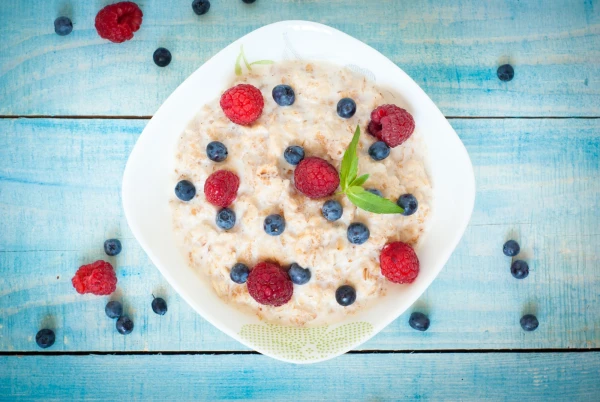
You complement the porridge with fruits, nuts, seeds, or yogurt—this will increase its nutritional value.
Conclusion: What to Choose and How to Eat
Packaged porridge is not "poison or danger" in itself, but it is far from always being maximally beneficial. To get the most benefits, you can:
-
Choose unglazed and unsweetened options with a minimal number of ingredients;
-
Alternate packaged porridge with regular grains that take longer to cook but retain more fiber and micronutrients;
-
Add fresh berries, nuts, seeds to the cooked porridge—this will increase the content of protein, vitamins, and healthy fats;
-
Monitor to keep the overall daily sugar intake low.
Overall, grains are a healthy part of the diet, especially when they are whole or minimally processed products. Packaged porridge is a compromise between convenience and nutrition, which can have a place in a balanced diet with careful selection.