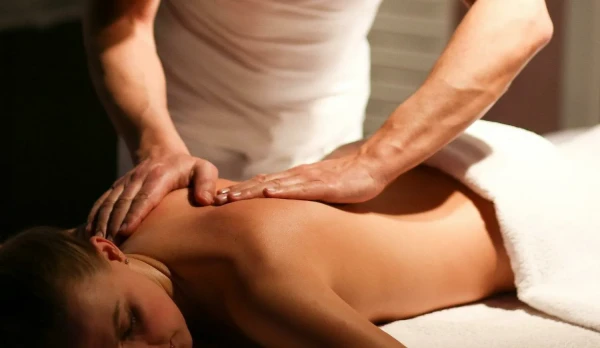
Massage is often perceived as a pleasant but optional procedure, or considered a universal remedy for all problems. In reality, it is a serious method of therapeutic and preventive impact. Appointing massage 'just like that' or doing it for everyone indiscriminately is not allowed, notes the expert.
Expert: Alexander Skrypchenko, Senior Massage Instructor
Types of Massage and Indications
Therapeutic (Classical) Massage
- Indications: diseases of the musculoskeletal system (osteochondrosis, scoliosis, arthrosis, radiculitis), neuralgias, consequences of stroke, hypertension stage I–II, rehabilitation after a heart attack.
- Prescribed by a doctor and aimed at improving blood circulation and tissue recovery.
Relaxing Massage
- Indications: stress, chronic fatigue, sleep disturbances, muscle tension from sedentary work, tension headaches.
- Affects the autonomic nervous system, relieves muscle blocks.
Anti-Cellulite Massage
- Indications: aesthetic defects (cellulite stage II–IV), body shaping, prevention of venous stasis, post-traumatic edema.
- Considered part of a comprehensive program with diet and exercise.
Contraindications
Absolute (categorically prohibited):
- Oncological diseases (except for rehabilitation as prescribed by a doctor)
- Thrombosis, thrombophlebitis
- Blood clotting disorders
- Aneurysms of the heart and blood vessels
- Mental disorders with pronounced agitation
- Active form of tuberculosis
- Infectious diseases, acute infections
- Osteomyelitis
Temporary and Relative:
- Acute conditions: high fever, flu, ARVI
- Purulent or fungal skin lesions, moles, suspicion of melanoma
- Fresh injuries, hematomas, edema (2–3 days)
- Varicose veins with trophic disorders
- Hypertensive crisis
- Cholelithiasis (when massaging the abdomen)
- Pregnancy (especially in early stages)
Important Recommendations
A good massage therapist will never start a session without a preliminary questionnaire. They will clarify the patient's condition, blood pressure, presence of injuries, and chronic diseases. If the specialist ignores these points, it is worth being cautious.
Massage is a medical procedure, and it should be approached with an understanding of its benefits and limitations, emphasizes Alexander Skrypchenko.