
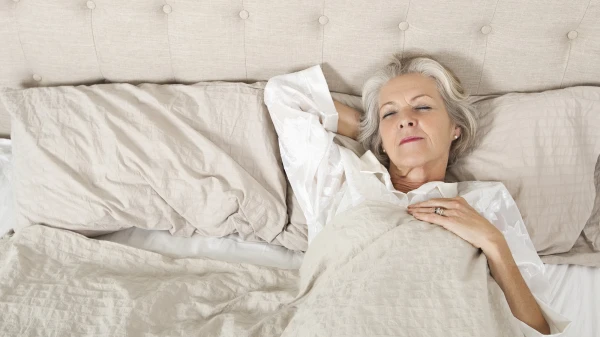
Sleep quality is directly related to the body's recovery processes and skin condition. Scientific data confirms the role of growth hormone, melatonin, and stress levels in tissue regeneration; however, some popular claims about "nighttime rejuvenation" require clarification.
What Happens to the Body During Sleep
During the phases of deep sleep, tissue recovery mechanisms are activated. According to the National Sleep Foundation and the Centers for Disease Control and Prevention, adequate sleep is necessary for the normal functioning of the immune system, metabolism, and hormonal regulation.
It is during the slow-wave sleep phase that the secretion of growth hormone (somatotropin) increases, which is involved in protein synthesis and cell repair. This is confirmed by studies published in the Journal of Clinical Endocrinology & Metabolism.
Collagen and Chronic Sleep Deprivation
Collagen provides density and elasticity to the skin. According to Clinical and Experimental Dermatology, chronic sleep deprivation is associated with impaired skin barrier function, slower recovery, and more pronounced signs of aging.
At the same time, experts emphasize that this refers to long-term sleep deprivation. There is no direct evidence that one sleepless night "destroys" collagen.
Melatonin, Cortisol, and Light
Melatonin regulates circadian rhythms and has antioxidant properties. According to the National Institutes of Health, it is involved in protecting cells from oxidative stress.
Bright light in the evening suppresses its production — this is confirmed by studies from Harvard Medical School. At the same time, chronic stress may increase cortisol levels, which is associated with inflammatory responses and metabolic disorders.
The connection between chronic stress and accelerated signs of biological aging is discussed in publications from The Lancet; however, the impact on the skin depends on many accompanying factors.
Sleep and Metabolism
Sleep deprivation is associated with an increased risk of insulin resistance and metabolic disorders, as reflected in studies from the journal Sleep. These changes can indirectly affect appearance — provoking puffiness, dull complexion, and reduced elasticity.
At the same time, the term "nighttime skin detoxification" is more commonly used in popular literature and does not have a clear clinical definition.
Conclusion
Scientific data confirms:
- deep sleep supports hormonal balance;
- growth hormone is released more actively during sleep;
- chronic sleep deprivation is associated with worsening skin condition;
- evening light and stress disrupt circadian rhythms.
However, claims about guaranteed rejuvenation when falling asleep strictly by 11:00 PM or the immediate destruction of collagen lack sufficient evidence.
Sleep is indeed an important part of a strategy for maintaining health and appearance, but it works in conjunction with nutrition, genetics, stress levels, and lifestyle.















Leave a comment