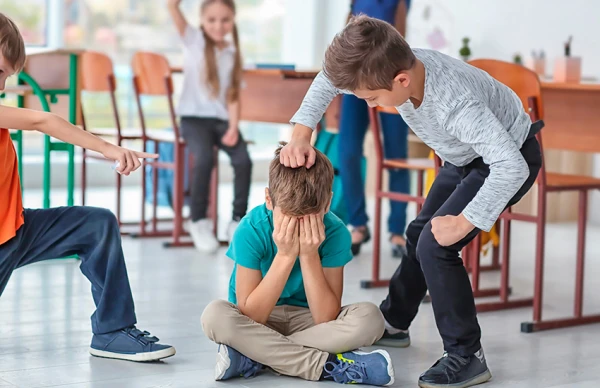
Bullying is not a one-time conflict, but systematic, intentional, and repeated violence, where one side has a clear advantage over the other. It can manifest in physical, verbal, emotional forms, and can also spread through digital channels — from social media to messaging apps. Bullying can seriously affect a child's emotional health, self-esteem, and behavior.
How to Recognize the Signals of Bullying
Parents should pay attention to changes in their child's behavior that may indicate bullying:
-
frequent mood swings, withdrawal, and anxiety;
-
attempts to avoid school or classes;
-
unexplained bruises, scratches, missing belongings;
-
sleep disturbances, nightmares, decreased interest in studies;
-
lowered self-esteem and alienation from friends.
Experts emphasize that bullying differs from ordinary conflicts in that the victim is unable to stop the process on their own, and the aggression is repeated day after day.
What Parents Can Do
Create a Safe Atmosphere for Conversation. It is important to start the dialogue calmly, show empathy, listen, and affirm that you are on your child's side — this builds trust and helps them open up about the problem.
Gather Facts. Documenting situations — photos, screenshots of messages, or testimonies — may be necessary when talking to the school or other authorities.
Contact the School. The class teacher, deputy principal, or principal can take measures — from monitoring the children to conducting discussions with the aggressors and the class as a whole.
Involve a Psychologist. Professional help assists the child in regaining self-confidence, learning to cope with emotions, and setting communication boundaries.
Do Not Resolve the Conflict Alone with the Bully. All meetings with the aggressor's family should take place in the presence of official adults to avoid escalation.
If the issue cannot be resolved within the school, parents can contact the education department or other government bodies. In extreme cases, changing the educational institution may be possible if the child's safety is at risk.
Why This Is Important
Research shows that bullying is associated with the risk of developing emotional and psychological problems in children and adolescents, and the role of the family in creating supportive conditions and open communication reduces the negative consequences of harassment.
Open dialogue, attentiveness to signals, and cooperation with educational institutions are key steps for adults in combating bullying and creating a safe environment for the child.