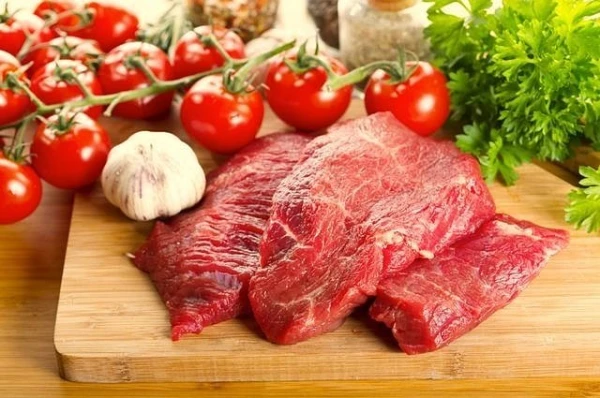
Red meat remains one of the most discussed topics in nutrition: some specialists highlight its nutritional value for the body, while others link frequent consumption with an increased risk of diseases. We explore how to balance the benefits and potential dangers based on expert opinions and scientific research.
Red meat, including beef, pork, and lamb, contains important nutrients such as complete protein, iron, zinc, and vitamin B₁₂, which play a key role in energy metabolism, immune system support, and the normal functioning of blood and muscles. These elements are especially valuable for individuals with increased protein needs—such as athletes, active individuals, and those recovering from exertion.
However, experts note that not all meat is equally beneficial. Processed meat products—sausages, hot dogs, bacon—often contain high amounts of salt, preservatives, nitrites, and saturated fats, which may be associated with an increased risk of chronic diseases, including cardiovascular diseases, certain types of cancer, and metabolic disorders.
Scientists emphasize that the impact of red meat on health may depend on the type and method of preparation, as well as the overall quality of the diet. For example, frying or grilling at high temperatures promotes the formation of compounds (HCA and PAH) that have inflammatory potential and can damage DNA, increasing the risk of negative health outcomes.
Modern reviews of scientific data show conflicting results: some studies link high consumption of red and processed meat with an increased risk of cardiovascular diseases, diabetes, and certain forms of cancer, while others find weaker or ambiguous associations.
Professional dietitians recommend a moderate approach: include red meat in the diet as one source of nutrients, but limit processed products, choose lean and properly cooked cuts, and combine meat with vegetables and whole foods for balanced nutrition.
...Red meat can be a valuable component of a healthy diet if consumed in moderation and in combination with fiber-rich plant foods. At the same time, scientists still need to clarify how different types of meat and cooking methods affect long-term health, and what recommendations are optimal for specific groups of people. The balance between benefits and risks remains a key principle in choosing a dietary strategy.