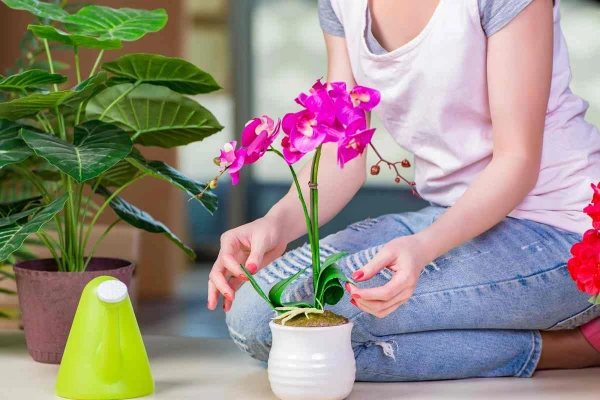
Owners of orchids and peace lilies have been offered an alternative method of fertilizing houseplants using rice water. We discuss what experts say about the benefits and risks of this approach and what proven fertilization methods exist for these plants.
Houseplants such as orchids and peace lilies require not only regular watering and light but also proper soil nutrition to stimulate leaf growth and abundant flowering. Horticulture specialist Jilan Thomas suggests using rice water — the liquid left over after boiling the grain — as a natural fertilizer for these plants. He claims that this water contains nutrients beneficial for the roots and soil.
According to the proposed scheme, rice water should be cooled, stored for no more than five days, and diluted with regular water in a ratio of 1:3 before watering the plants. Fertilization is recommended once a month in spring and summer when the plants are growing and flowering most actively.
However, it is important to note that this is an unconventional method, and its effectiveness is not scientifically confirmed by authoritative sources. The main verified recommendations for fertilizing these types of plants are as follows:
Orchids. These are epiphytic plants that require special fertilizers balanced in essential elements (nitrogen, phosphorus, potassium). Care experts recommend using specialized, diluted water-soluble fertilizers for orchids during active growth and flowering, usually once a week during the growth period, with periodic rinsing of the substrate with clean water to avoid salt buildup.
Peace Lilies. These plants do not require frequent fertilization, but if you wish to stimulate leaf growth and flowering, it is good to fertilize them every 4–6 weeks with a balanced liquid fertilizer, such as NPK 10‑10‑10 or 20‑20‑20, diluted to half the recommended concentration, from spring until the end of summer. Excess fertilizer can harm the roots and cause the leaves to yellow.
Experts also note that too frequent or concentrated fertilization without considering growing conditions (light, humidity, soil quality) can lead to root damage and deteriorating plant health.
...Rice water may be an interesting folk method of additional nourishment for houseplants, but it does not replace proven care methods. Experienced gardeners recommend relying on balanced fertilizers tailored to the specific type of plant and considering the seasonality of growth. Even natural fertilizers require a cautious approach — excessive nutrients can be harmful, especially to fertilizer-sensitive species.