The refrigerator is an important assistant in the kitchen, but it does not make food eternal. Some foods spoil even faster in the cold if their storage characteristics are not taken into account. Nutrition and gastronomy experts explain which foods most often lose freshness prematurely — and how to prevent this.
Greens and Salads
Bunches of dill, spinach, or salad leaves quickly turn yellow, become wilted, or slimy in the refrigerator. This is due to their thin leaves and high moisture content, which allows bacteria and microorganisms to more actively break down the structure of the leaves.
Soft Berries
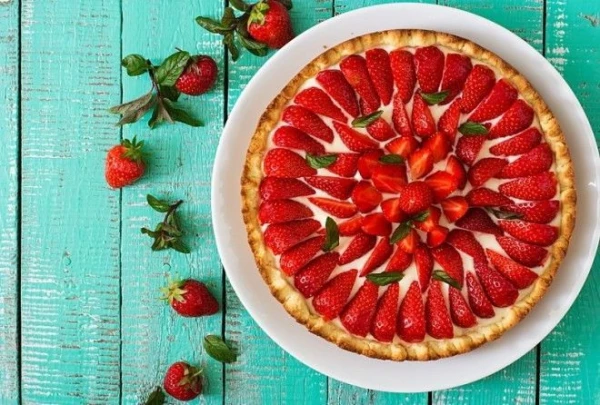
Strawberries, raspberries, and blueberries quickly develop mold or become watery, especially if they were washed before being placed in the refrigerator. Moisture inside the packaging accelerates mold growth and cell breakdown.
Open Dairy Products
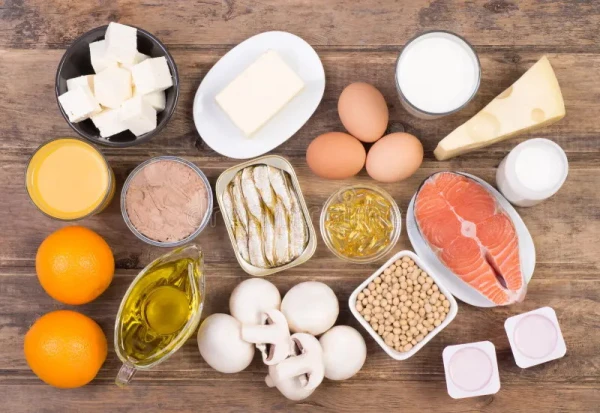
Yogurt, cottage cheese, and soft cheeses lose stability over time after opening: acids and bacteria continue to develop, and frequent temperature fluctuations due to frequent opening accelerate spoilage.
Deli Meats and Sausages
From the perspective of food storage specialists, sliced meats change color, smell, and texture more quickly if stored without airtight packaging. Air contacts the surface, accelerating oxidation and microbial growth.
Prepared Dishes and Leftover Salads
Olivier salad, pasta with sauce, or baked vegetables lose freshness even when stored in the refrigerator if placed there hot or in containers without tight lids. Temperature fluctuations and air exposure accelerate spoilage processes.
Why the Refrigerator Doesn’t Always Save
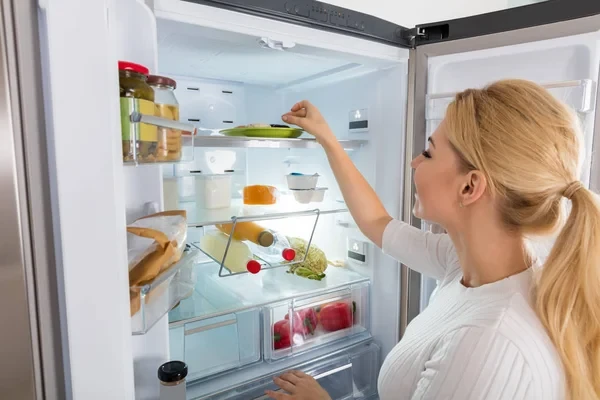
The refrigerator slows down but does not stop spoilage processes. Temperature, humidity, air contact, and product characteristics all affect its shelf life. Many foods with high water content and soft structure are very sensitive to condensation and microorganisms, which continue to act even when cooled.
Similar conclusions are supported by food experts, indicating that even at the ideal temperature for most refrigerators (~1–5 °C), proper space distribution and packaging are crucial for extending the freshness of products.
...The refrigerator is a useful tool, but understanding which foods require special attention helps reduce waste and avoid unpleasant surprises. Greens, soft berries, opened dairy products, deli meats, or prepared dishes all require proper packaging, containers, or quicker consumption to remain fresh. Proper organization of storage can significantly extend shelf life and reduce food waste.