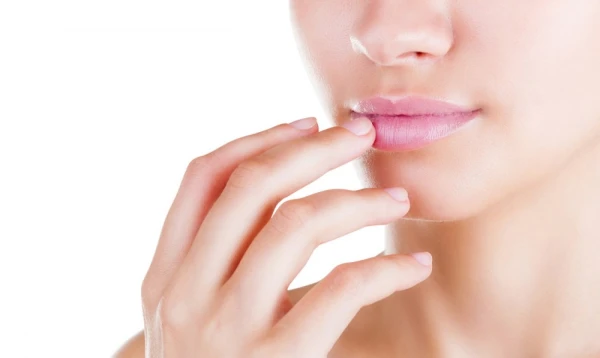
Herpes recurrences are a common occurrence for many people, especially towards the end of winter and the beginning of spring. Medical professionals link the seasonality of outbreaks not to a simple "decrease in immunity," but to a combination of factors — from accompanying viral infections to lifestyle changes. Understanding these triggers helps people better control the manifestations of the virus.
The herpes virus (HSV) remains in the body forever after the initial infection, hiding in nerve ganglia in a latent state. When certain factors disrupt the balance between the virus and the body's defenses, the virus can reactivate and cause symptoms — small blisters and sores on the lips or in the intimate area.
Why Herpes ‘Wakes Up’ Specifically in Winter
Medical professionals note that in winter and early spring, conditions in the air and in the human body occur that contribute to herpes recurrences:
Increase in Cold Diseases — seasonal ARVI and flu divert immune resources to combat acute infections, reducing local control over the latent virus.
Stress and Fatigue — chronic stress, lack of sleep, and seasonal fatigue weaken the body's ability to contain the virus through immune system activity.
Weather Conditions — cold, dry air, and wind can disrupt the protective barrier of the skin and mucous membranes, creating a favorable environment for the virus to emerge from its latent state.
Hormonal Fluctuations and other physiological changes can also stimulate the reactivation of the virus.
These factors alone do not necessarily trigger an outbreak, but in combination, they create conditions for weakened control over the virus, which manifests as a recurrence, for example, in the form of a “cold sore.”
Triggers of Recurrences — What Else Is Important to Know
Modern medical sources identify a number of situations that can provoke herpes, even outside of clear seasonality:
-
Emotional and physical stress — often becomes a precursor to outbreaks.
-
Other infections — for example, a cold or flu can elicit a strong “immune response,” diverting protection from controlling herpes.
-
Skin or mucous membrane damage — microtraumas, dryness, or friction can stimulate reactivation at a local level.
-
Hormonal cycles — especially in women, related to menstruation or other hormonal fluctuations.
-
Exposure to ultraviolet light — especially in people with HSV-1, is associated with the virus surfacing.
It is important to understand that a single trigger event does not necessarily mean a recurrence — herpes reactivation often depends on the combination of several factors acting simultaneously.
When to See a Doctor
In most cases, herpes outbreaks heal on their own. However, medical assistance is needed if:
-
recurrences occur too frequently or are accompanied by significant pain;
-
sores heal slowly;
-
there are pronounced symptoms of inflammation, high fever, or unusual manifestations;
-
the person already has accompanying chronic diseases.
In such cases, a doctor can assess the need for antiviral therapy or provide advice on preventing recurrences based on a medical examination and tests.
...Seasonal exacerbations of herpes are not a coincidence, but rather the result of the influence of several factors: from climatic conditions and frequent colds to stress and physiological changes in the body. Understanding the triggers and paying close attention to one’s condition helps people with herpes better prepare for possible recurrences and seek medical attention in a timely manner.