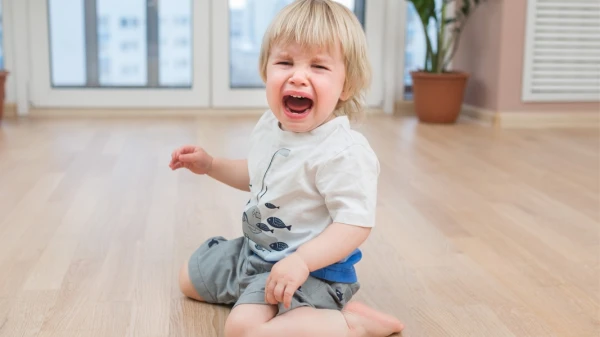
Screaming, irritability, emotional outbursts, and fatigue in a child are often attributed to character, the influence of upbringing, or an overload of impressions. However, the reasons for such reactions may lie much deeper, in physiology and biological processes, rather than in parenting methods.
Fatigue in Children: Why It’s Hard to Notice
A child's body expends energy differently than an adult's, and the nervous system is still developing. This leads to fatigue not manifesting as lethargy — more often, it is expressed through emotional outbursts, tantrums, decreased attention, and a bad mood.
Children often cannot recognize or describe their state in words. Therefore, fatigue can be masked by hyperactivity or refusal to engage in usual activities.
How Physiology Affects Behavior
Even when a child appears active and cheerful, their emotional reactions may be a result of nervous system overexertion:
-
irritability — a signal of depleted self-control resources;
-
tearfulness — a result of fatigue, not weakness of character;
-
sharp mood swings — a reflection of fluctuations in glucose levels and stress hormones;
-
withdrawal from communication or usual activities — an attempt by the body to signal overload.
Everyday Factors Not to Forget
Sometimes the causes can be very simple — yet they often go unnoticed:
-
chronic sleep deprivation, late bedtimes;
-
a tight schedule without breaks for rest;
-
prolonged periods of activity without breaks and screen-free time;
-
long intervals between meals.
Nutrition and Energy
A child's diet may seem balanced and "healthy," yet it may not meet the needs of a growing body:
-
lack of protein slows down recovery;
-
iron deficiency leads to quick fatigue;
-
fluctuations in blood sugar levels increase irritability and drowsiness;
-
insufficient water intake reduces concentration and endurance.
Sleep — The Main Factor in Behavior
Often, simply establishing a sleep routine is enough for a child to become calmer and more energetic:
-
even a small lack of sleep accumulates over time;
-
sleep disturbances may go unnoticed if the child is just sleeping superficially;
-
morning signs of fatigue often indicate that the routine does not align with the child's biological rhythms;
-
lack of sleep weakens emotional resilience and increases sensitivity to stress.
When Fatigue Is Not Just Fatigue
Sometimes tantrums are accompanied by physical signs that indicate a need to pay attention to health:
-
frequent colds and slow recovery;
-
changes in skin color or pronounced paleness;
-
headaches and difficulty concentrating;
-
withdrawal from games that previously brought joy.
When to Consult a Doctor
If behavioral changes persist for several weeks, are accompanied by physical symptoms, or significantly worsen the child's daily life, it is a reason to consult a specialist.