
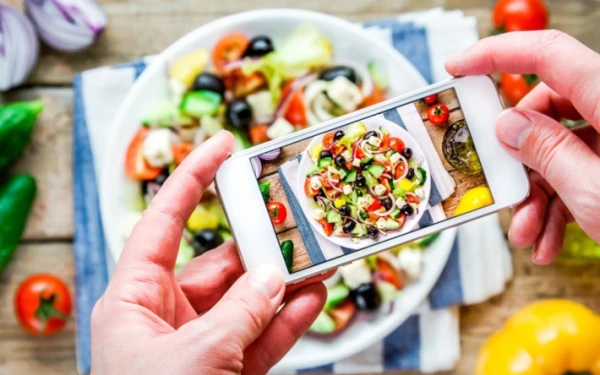
Platforms like TikTok, Instagram, and others have long ceased to be merely entertainment — they influence our everyday decisions, including product choices and eating patterns. Moreover, this influence is not always noticeable: it seeps in not through direct instructions but through visual imagery, trends, and reactive algorithms.
How Exactly Social Media Changes Our Attitude Towards Food
Not so long ago, tastes were formed within the family, traditions, and personal experiences. Today, a significant portion of food decisions is influenced by screen content: recipes in feeds, videos from bloggers, or product advertisements.
Algorithms of social platforms amplify this trend: the more you interact with food-related materials, the more often such posts appear in your feed, creating the impression that "everyone eats this way" — and it seems normal.
Why This Influence Works the Way It Does
-
First, food content is presented as entertainment: quick videos, eye-catching shots, and simple step-by-step recipes look accessible and inspiring.
-
Second, trust in bloggers plays a significant role — many perceive them not only as entertaining authors but also as experts whose advice can be followed.
-
Finally, the emotional component: videos featuring appetizing dishes are often associated with pleasure and comfort, which reduces critical perception and enhances the desire to try what you saw on the screen.
What’s Good About This Influence
Social media can be a source of inspiration. People often cook more frequently, try new products, and expand their culinary horizons thanks to videos and photos with recipes. Simple home-cooked meals, the popularization of fermented products, high-protein or high-fiber breakfasts — all of these are examples of the positive influence of screen content.
For those who are just starting to cook or are short on time, such formats can indeed be a helpful support.
Where the Risks Lie
Problems arise when trends are more important than personal feelings and needs. Viral recipes rarely take individual characteristics into account — levels of physical activity, gastrointestinal health, food tolerances, or personal tastes.
Moreover, social media feeds often feature extremes: strict diets, "detox guides," or the demonization of certain foods. Such content can provoke anxiety towards food and a feeling that your diet is "wrong," even when there are no objective reasons for concern.
Should We Fight This?
The answer lies not in a harsh opposition to trends but in a conscious approach. Social media will not disappear, and the goal is not to avoid them but to learn to filter content.
An inspiring idea from TikTok can be a good option for diversifying your menu, but it doesn’t have to become a daily norm. Healthy eating habits start with understanding your own needs, not with others' videos. If the content motivates you to make positive changes — that’s great. If it induces feelings of guilt, anxiety, or pressure — it may be time to unfollow.















Leave a comment