
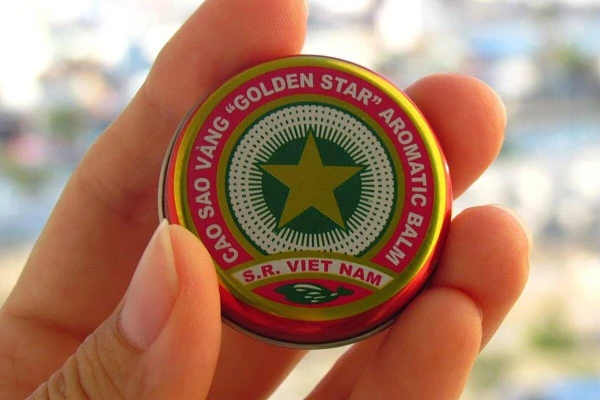
The ointment with a sharp smell is familiar to many from early childhood. Doctors explained how it actually works and who can use it.
If you are over 20 years old, you probably know how the legendary Vietnamese balm in the red jar smells.
What is this ointment made of, and does it make sense for modern people to keep it in their medicine cabinet? "Doctor Peter" explored the issue together with neurologist Jean Sholomitsky.
What’s in the Composition
Menthol — provides a cooling and pain-relieving effect, reduces swelling, and is a good antispasmodic.
Camphor — creates a mild warming effect, improves blood circulation, has antiseptic and antiviral properties, clarifies consciousness, and helps with nervous exhaustion.
Peppermint Oil — effectively clears nasal passages, alleviates cough, improves digestion, and reduces nausea.
Kaya Putra Oil — has antimicrobial and antiseptic properties. A good respiratory remedy — eases cough, relieves nasal congestion, acts as an expectorant, and warms.
Essential Oils of Cinnamon (deep warming and anti-inflammatory action) and Basil (neuromodulating and adaptogenic action) — stimulate peripheral nerves, toning them during mental and physical fatigue.
Where It Came From
The "Star" balm is a situational lifesaver. It was developed 70 years ago in Northern Vietnam, based on the Singaporean "Tiger," Chinese liniment, and widely used medicinal products in Southeast Asia based on essential oils. The balm has been in mass production since the late 1960s.
How does the balm work? Strong impulses from cold or heat receptors in the skin activate fast-conducting nerve fibers. These signals precede and block the transmission of slower pain signals from pain receptors in the spinal cord, effectively closing the door on pain.
Personal Experience
The first thing I encountered while living in Vietnam in the late 80s to early 90s was the widespread use of guasha with the "Golden Star" balm for bronchitis and pneumonia. The balm was applied on both sides of the sternum in front and the upper thoracic spine in the back (the projection of the bronchi), and then scraped with copper coins until a persistent redness appeared.
Then, every morning and evening, the balm was rubbed into the resulting bruises. It was believed that when they disappeared, the person would recover.
For headaches, the balm was applied to the bridge of the nose, and the skin was pulled with pinching movements. If a bruise did not form, it meant the headache was not serious, the Vietnamese believed. If it did appear, they waited for it to go away along with the problem, periodically applying the balm.
However, it is not advisable to repeat these "folk" life hacks.













Leave a comment