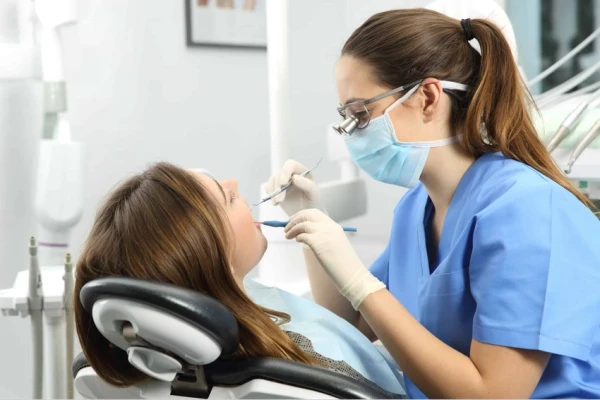
Toothache, bad breath, and increased sensitivity are familiar symptoms for many, but there is a huge amount of myths surrounding dental care. Dentist Vladimir Shipkov debunked the most common misconceptions and answered frequent questions about oral health.
Common Myths About Dental Health
Myth 1. “If nothing hurts — you don’t need to see a dentist”
The reality is that many dental problems are asymptomatic in their early stages. Cavities only start to signal their presence when the nerve of the tooth is affected, and changes in the periodontium manifest only with the loss of bone tissue. Regular check-ups with a dentist every six months provide a chance to identify problems at an early stage or even prevent them altogether.
Myth 2. “Electric toothbrushes are just marketing”
In fact, studies show that electric toothbrushes with rotating heads remove plaque more effectively and help reduce gum inflammation when used with the correct brushing technique.
Myth 3. “Teeth become loose with age — this is normal”
Tooth mobility is not a natural sign of aging. Healthy teeth remain stable at any age, and looseness usually signals periodontal disease that requires treatment.
Common Mistakes in Dental Care
-
Too aggressive brushing with a hard brush. Pressure and intense movements can injure the gums and wear down enamel. Specialists recommend medium-hard brushes and gentle circular motions.
-
Brushing teeth immediately after acidic drinks. Orange juice, wine, and other acidic beverages soften enamel, and brushing at this time can damage it.
Dentist's Answers to Popular Questions
Do men have stronger teeth due to higher calcium content?
— No, this is a myth. The condition of enamel is determined by genetics, diet quality, hygiene, and lifestyle, not gender.
Does stress affect dental health?
— Indirectly yes: it can exacerbate bruxism (teeth grinding), lower immunity, and increase the risk of harmful habits, which reflects on oral health.
When should one pay special attention to dental health?
— Prevention is important from childhood, but especially after 35–40 years of age, when age-related changes in the periodontium begin, and after 50, when the risk of dental problems increases.
Why do dentists claim that it is harder for men to undergo treatment?
— Statistically, men tend to seek help for more advanced cases, tolerate long procedures worse, and exhibit a stronger gag reflex — but this is an observation, not a rule.
Can dental health be restored when there are problems?
— Modern dentistry allows for halting destruction and restoring functions: cavities are treated with fillings, gum inflammation with professional cleaning and other procedures.
What tests help assess the risk of diseases?
— The doctor may prescribe an X-ray (for example, an orthopantomogram) to assess bone tissue, measure the depth of periodontal pockets, analyze saliva for pH and secretion, and if systemic disorders are suspected — a blood test for vitamins, calcium, and sugar.
...Thus, many fears and stereotypes associated with visiting a dentist are based on myths. Regular preventive check-ups, proper hygiene, and attentive responses to the body's signals are the keys to a healthy smile.