Even in a rational and technological world, many continue to believe in omens, read horoscopes, attach special significance to dreams, and keep personal talismans. Some approach this with irony, while others do so with cautious interest, but such practices still hold an important place in the lives of millions of people. Why does this happen, and what does our belief in 'magic' actually give us?
Faith as a Support Point
In difficult or anxious times, a person instinctively seeks support. For some, this source is a conversation with a loved one; for others, it is religion, psychology, or belief in something irrational. Omens, charms, and horoscopes create a sense of order and explainability when reality seems too chaotic.
Modern psychology notes that it is important for a person to believe not only in themselves but also in the existence of an external force or system that 'holds' the world. This can be fate, karma, the energy of the cosmos, or simply a lucky sign noticed at the right moment.
The Effect of Self-Suggestion and the Power of Symbols
Many 'magical' objects do not work by themselves but through our perception. A gift from a loved one can indeed be associated with warmth and protection, thus providing confidence. The same applies to omens: if a person does not attach significance to them, they do not influence their behavior. But if they believe, they begin to function as a psychological anchor.
Thoughts, expectations, and beliefs shape our behavior. When a person is confident that they have a 'lucky' talisman or that a certain ritual will bring good fortune, they act bolder, calmer, and more confidently. This often leads to a positive outcome.
Where the Line is Drawn
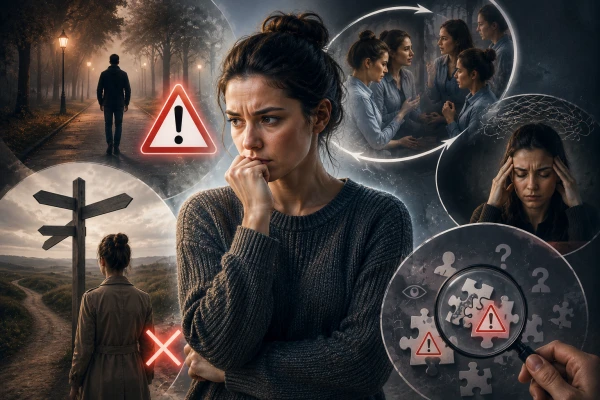
Problems arise when belief in omens becomes obsessive. The desire to control everything through signs and rituals can lead to anxiety and a loss of contact with reality. Experts advise choosing only a few symbols or traditions that truly resonate and not turning everyday life into an endless analysis of 'signs of fate.'
It is also important that personal beliefs do not harm others. Practices aimed at manipulating someone else's will—such as love spells, conspiracies, and 'magical intervention'—often bring destructive consequences rather than the promised results.
Magic Without Fanaticism
Belief in omens can be harmless and even beneficial if it helps maintain inner balance and confidence. But it does not replace real actions, responsibility, and conscious decisions. A talisman will not correct poor behavior, and an omen will not negate the consequences of our actions.
Magic works best when it remains a metaphor and a tool for self-support, rather than a way to escape reality.