
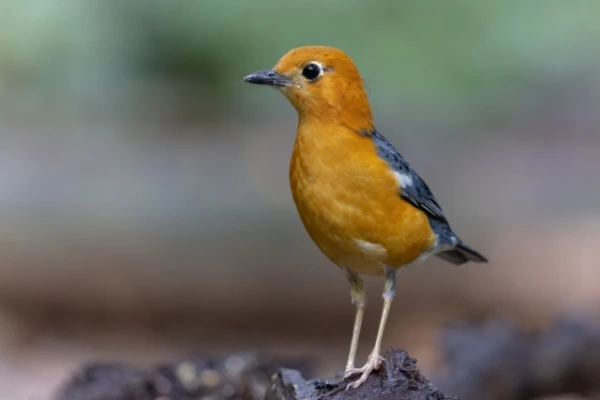
A new study of sparrows has shown that the intensity of orange plumage coloration, created by carotenoid pigments, is closely related to the birds' ability to withstand oxidative stress caused by a poor diet.
Carotenoids, which birds do not synthesize themselves but obtain from food (for example, from berries), serve a dual function in the body. Part of them is used to create bright signaling colors in courtship displays, while another part acts as powerful antioxidants, protecting cells from damage.
Scientists have found that individuals with the most saturated orange plumage exhibited significantly lower levels of oxidative stress even with limited access to carotenoid-rich feeds. This suggests that bright coloration is not just an expensive ornament indicating excellent health and nutrition but also a direct indicator of an effective internal biochemical system that optimally allocates limited resources between visual signaling and physiological protection.
Thus, for females, choosing a partner with the brightest orange breast may mean selecting not only good genes but also a genotype that provides increased resilience to environmental stresses, giving offspring an evolutionary advantage.










Leave a comment