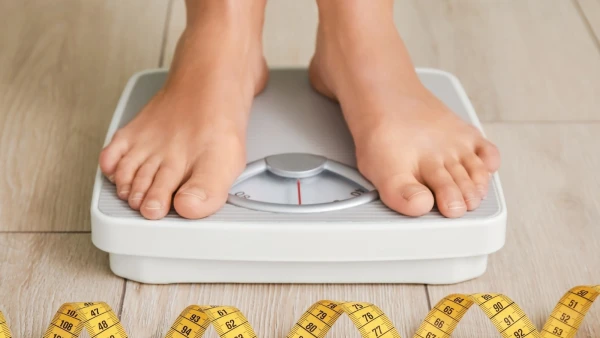
Weight loss is surrounded by many myths that many continue to believe. In reality, following these misconceptions can slow down results or even harm the body. Let's figure out what is true and what is fiction.
Not Eating After a Workout Helps You Lose Weight — Myth
After a workout, the body has expended energy and signals the need to replenish it. If this does not happen, the body perceives this as a threat and seeks to "store fat for a rainy day."
If you satisfy the body's energy needs immediately after exercise, it will not create excess reserves.
Weight Loss Clothing Does Not Burn Fat
Neoprene shorts, belts, and capris only help you sweat, not burn fat. Losing fluid is not losing fat tissue, and you will quickly replenish the lost water.
Spot Reduction is Impossible
Focusing on a specific area of the body cannot make it lose weight faster than others. The body decides where to store fat, and no exercises will change this. Training muscles alone does not reduce the amount of fat tissue.
L-Carnitine and Other Supplements Are Not a Panacea
Supplements help transport fatty acids, but only in the presence of physical activity and the body's need for this process. Without regular exercise, their effectiveness is minimal.
Losing Weight by Severely Restricting Food is a Mistake
It is optimal to reduce caloric intake by 15–20% of daily energy expenditure. This allows for a weight loss of about 4–5 kg per month without harming metabolism. Excessive restriction slows down metabolism and can lead to weight gain.
Eating After 6 PM is Not a Prohibition
Prolonged fasting (13–14 hours) slows down metabolism and causes the body to store nutrients "for later." It is optimal to have dinner 2–3 hours before sleep, primarily choosing light protein foods.
By following these simple rules, you can lose weight safely and without putting extra stress on the body.