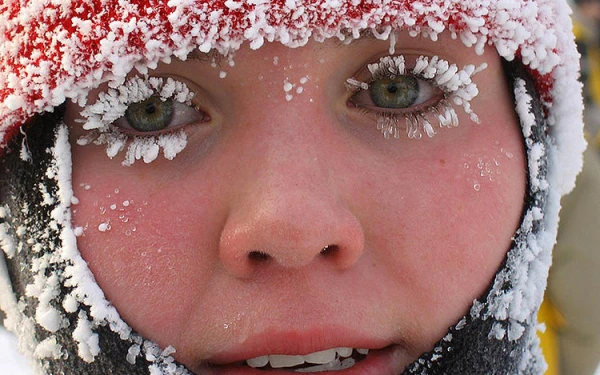
A bright flush on the cheeks after a winter walk may look cute, but the feeling of tightness, burning, and prolonged redness is a signal from the skin that should not be ignored. This reaction is not just a cosmetic defect but a consequence of complex processes occurring under the influence of extreme temperature fluctuations.
Why Does the Face Turn Red After Frost?
The main reason for redness is the sudden dilation of surface blood vessels — capillaries. In the cold, they constrict to retain heat, and upon entering a warm room, they rapidly expand, causing increased blood flow and redness. In people with sensitive skin or a tendency to rosacea, this reaction is more pronounced and lasts longer.
In more serious cases, cold dermatitis may develop — an inflammatory skin reaction to cold. Among its causes, scientists cite capillary spasms leading to impaired tissue nutrition, skin dryness that disrupts its protective barrier, and even the production of specific proteins that trigger inflammation. Understanding these mechanisms allows for targeted actions to not just mask redness but to quickly soothe the skin.
Five Methods to Eliminate Redness
Here are five effective methods that can help reduce redness in about 5–10 minutes.
Method 1: Proper Temperature Adaptation
Immediately after returning from the cold, wash your face with warm or cool water, not hot. An ideal alternative is to generously spray thermal water from a can onto your face — it gently normalizes skin temperature. A sharp contrast is a double stress for the vessels and exacerbates redness. Warm water allows them to return to their normal state more gradually.
Method 2: Soothing Express Compress
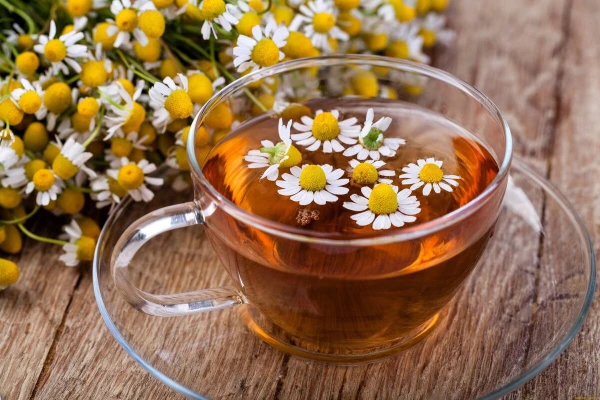
Make a 2–3-minute compress. Soak gauze or cotton pads in cold green tea, cucumber juice, or chamomile infusion and apply them to your cheeks. These solutions have anti-inflammatory, astringent, and soothing properties. The cold from the compress helps constrict the dilated vessels and alleviates the burning sensation.
Method 3: SOS Care with Special Products
Apply a thick layer of a product with active restorative components to the reddened areas. After 5–7 minutes, gently blot the excess. You can use a gel or cream with aloe, which instantly cools and relieves irritation. Alternatively, a product with panthenol can be helpful; this active ingredient effectively heals, soothes, and stimulates the restoration of the skin barrier.
Method 4: Gentle Ice Massage
Wrap an ice cube made from herbal infusion in a thin cotton napkin. With light, gliding movements without pressure, go over the areas of redness. The short-term exposure to cold causes reflexive constriction of the surface vessels. But don’t get carried away; the procedure should not last more than 60 seconds.
Method 5: Restoring the Skin Barrier
1–2 minutes after the compress or application of the SOS product, apply a basic moisturizing cream to slightly damp skin. After stress, the skin loses moisture, and its protective lipid barrier is disrupted. A moisturizing cream with beneficial components like hyaluronic acid helps restore this barrier, secure the soothing effect, and prevent a feeling of tightness.
Preventive Methods: How to Prevent Redness Before Going Out into the Cold
To prevent redness from returning, proper prevention that strengthens the skin and vessels is essential.
-
Proper protection before going out. 30–40 minutes before going out, apply a thick nourishing cream to your face instead of a light moisturizer. Look for natural oils, lanolin, panthenol, and waxes in the ingredients. Such a cream creates an invisible film that protects against wind and frost.
-
Gentle daily care. Avoid aggressive scrubs, alcohol-containing toners, rough towel rubbing, and hot water. Choose mild cleansing products — milk or foam, and always use a toner to restore pH balance.
-
Strengthening vessels from the inside and outside. Include foods rich in vitamin C and rutin in your diet — for example, buckwheat or the white membranes of citrus fruits, which strengthen blood vessel walls. You can add serums or creams with vitamin C, horse chestnut extract, gotu kola, or niacinamide to your skincare routine.
-
Mandatory sun protection in winter. Ultraviolet rays reflecting off snow damage blood vessels and exacerbate rosacea. Use a cream with SPF 30–50 daily.
-
Consultation with a specialist. If the redness is persistent and accompanied by itching, flaking, or the formation of a vascular network, it is a reason to consult a dermatologist or cosmetologist. This may be a sign of rosacea, rosacea, or cold dermatitis, which require special treatment.