
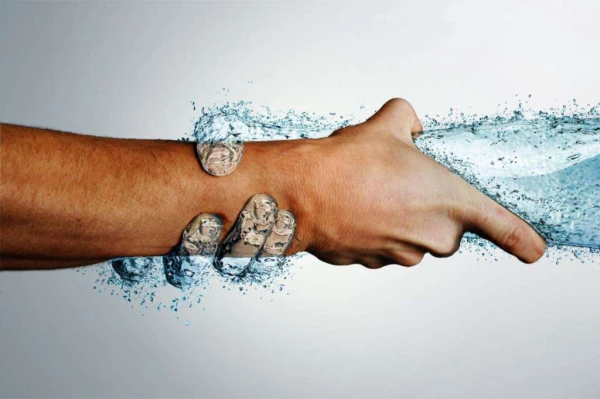
Dehydration rarely begins with thirst – the body reacts long before an obvious signal appears. These signs are subtle, but they can help track your condition and prevent unpleasant consequences.
Even mild dehydration affects the brain, cardiovascular system, muscles, and skin. Losing just a few percent of fluid alters cognitive function, mood, microcirculation, and electrolyte balance.
Many signals resemble signs of fatigue or stress, which often occur after long weekends. It’s easy to confuse them, but we have compiled the most basic and subtle triggers – correcting them will make you feel much better in the moment.
1. “Brain Fog” and Decreased Concentration
Cognitive function is sensitive to fluctuations in hydration levels: reaction speed decreases, concentration wanes, and short-term memory worsens.
The brain reacts to fluid deficiency before the sensation of thirst appears: nerve impulse conduction is disrupted, and the flow of oxygen and nutrients deteriorates. This condition can easily be mistaken for lack of sleep, but clarity of thought returns quickly with the restoration of water balance.
2. Constant Fatigue
It’s not that you need more time off after the weekend. Water is essential for normal metabolism: it helps deliver oxygen to cells and influences energy processes. When fluid is deficient, the body expends more resources to maintain basic functions, resulting in general weakness and a feeling of “fatigue without reason.”
3. Bad Breath
A lack of water reduces saliva production – an important protective factor that suppresses bacterial growth in the mouth. Dehydration decreases saliva secretion, leading to bad breath. The more pronounced the odor, the greater the dehydration.
4. Cramps and Muscle Spasms
Dehydration disrupts the balance of electrolytes – sodium, potassium, and magnesium. These minerals are responsible for transmitting nerve impulses and muscle contractions. A deficiency leads to spasms, especially during physical exertion and in hot environments.
5. Rapid Heartbeat
With insufficient fluid, the volume of circulating blood decreases. To maintain normal tissue supply, the heart begins to work faster – resulting in a feeling of increased heart rate even with minimal activity.
6. Decreased Skin Turgor
A sign that is rarely associated with the hydration level of the entire body. Turgor reflects the skin's ability to return to its original state after light stretching.
With dehydration, this process slows down: the skin becomes less elastic, and a feeling of “laxity” arises.
7. Thermoregulation Disorders
Water is a key component of heat exchange. With insufficient water, the body struggles to maintain a stable temperature: there may be an inexplicable feeling of cold or hot flashes, even if the room temperature is stable.
8. Fewer Tears
With a decrease in intercellular fluid volume, tear production also decreases. In adults, this sign manifests gradually: the eyes become more sensitive, and irritation and dryness occur.
9. Dull, “Tired” Skin
Microcirculation is directly dependent on the level of fluid in the tissues. With dehydration, the skin appears less fresh, density decreases, and characteristic dullness appears.
10. Mood Changes
Fluid deficiency affects the balance of neurotransmitters and cortisol levels – you may suddenly feel anxious, experience irritability, and your overall emotional state may become unstable even without specific reasons.
How to Recognize Hidden Dehydration
The first signs appear when fluid deficiency is still minor. If you find two or more symptoms, the likelihood of dehydration is high – especially in dry air conditions, during active exertion, or with increased consumption of coffee and alcohol (which was likely the case during the New Year holidays).
- Dark urine;
- Infrequent urination;
- You tire more quickly with usual activities;
- Increased fatigue in normal situations.
What Helps Restore Balance
Don’t drink two liters at once, as this will significantly increase the load on the kidneys and may cause swelling. The optimal option is to drink regularly throughout the day to avoid sharp fluctuations.
- Drink often in small portions;
- Eat more foods high in water content (vegetables, fruits);
- Introduce electrolytes, especially after physical exertion;
- Avoid hot environments, control heating levels;
- Limit alcohol and caffeine intake (the ideal option is to refrain from them for a while).













Leave a comment