
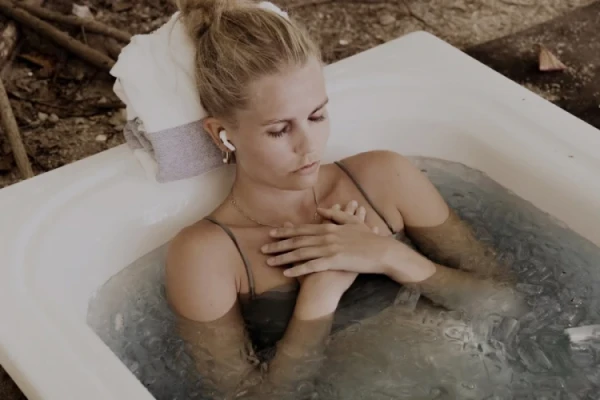
Cold water therapy — from ice baths to cold showers — has become a real phenomenon. Athletes, bloggers, and even office workers are immersing themselves in ice-cold water, promising health, energy, and mental clarity. But what does science say? What real benefits does cold water provide, and how can you safely integrate this practice into your life? Let's explore the trend.
What is Cold Water Therapy?
Cold water therapy is the immersion of the body in water at a temperature below 15°C for a short period, usually from 30 seconds to 15 minutes. This can be a cold shower, an ice bath, or swimming in open water. The practice dates back to ancient times: from Hippocrates to Japanese misogi rituals, cold has been used for healing. Today, it has returned thanks to the popularization of the Wim Hof method and scientific research. "Cold water triggers a stress response that can be beneficial if applied correctly," says Mike Tipton, a physiologist at the University of Portsmouth and an expert in cold therapy.
Benefits of Cold Water Therapy
Science confirms that cold water affects the body and mind:
-
Improved mood and fighting depression. Immersion in cold water stimulates the release of endorphins and dopamine, enhancing mood.
-
Reduced inflammation and muscle recovery. Cold constricts blood vessels, reducing swelling and inflammation. "This is especially beneficial for athletes after workouts," notes Jonathan Leary, a chiropractor, "a 10-minute immersion in water at 12–15°C reduces muscle soreness after intense exercise."
-
Strengthened immunity. Regular exposure to cold can increase resistance to stress and infections. Cold water stimulates the production of antioxidants and reduces inflammatory cytokines.
-
Improved sleep. Cold lowers body temperature, promoting relaxation. The effect is especially noticeable if cold water therapy is practiced 1–2 hours before sleep.
-
Increased metabolism. Cold activates brown fat, which burns calories to generate heat. This is not a panacea for weight loss, but it provides a slight metabolic boost.
Risks and Precautions
Cold water is not for everyone. People with cardiovascular diseases, hypertension, or diabetes should consult a doctor. Therefore, doctors recommend limiting immersion to 15 minutes.
How to Start: A Step-by-Step Guide for Beginners
Cold water is a stressor, so entering the practice should be gradual.
-
Start with a cold shower.
-
This is the most accessible method. Begin with warm water, then switch to cold (below 15°C) for 30 seconds. Gradually increase the time to 90 seconds. Do this 3–4 times a week.
-
Try a contrast shower.
-
Alternate between warm and cold water (30 seconds cold, 1 minute warm) for 5 minutes. This improves circulation and prepares the body for full immersions.
-
Move on to an ice bath.
-
Fill the tub with water at 10–15°C. Start with 1–2 minutes, gradually increasing to 5–10. Remember: the time spent in cold water should not exceed 15 minutes to avoid hypothermia.
-
Look for communities.
Group immersions add motivation. Find local "walrus" clubs or spas with cold baths.
- Listen to your body.
If you start shivering or feel discomfort, get out. Cold is not about overcoming but about adapting. After immersion, warm up gradually: put on dry clothes, drink warm tea, but avoid hot showers — the sudden change is dangerous.
Practical Tips
-
Choose a time: Morning is ideal for energy, evening for sleep.
-
Equipment: Portable tubs or simply a basin with ice work for home.
-
Hygiene: Ensure the water is clean, especially in open water bodies.
-
Ritual: Play music or meditate to make the process enjoyable.
Is Cold Water Your New Ritual?
Cold water therapy is not just a trend but a scientifically backed practice that can improve mood, sleep, and health when approached wisely. But remember: safety first. Start small, consult a doctor if you have chronic conditions, and let cold become your ally. Ice water is not only about physical benefits but also about mental strength. Ready to dive in?















Leave a comment