
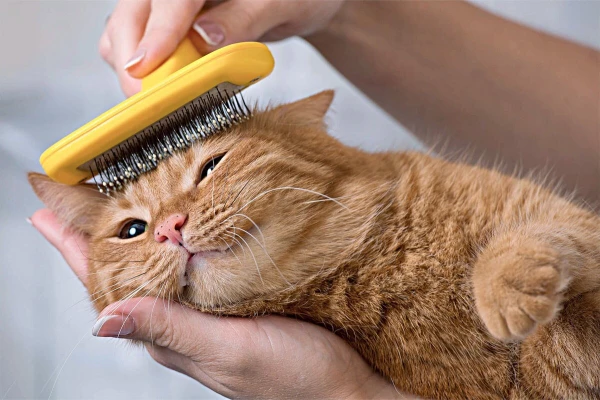
Even the most affectionate and obedient cats sometimes turn into real fury when it comes to brushing. And if your fluffy friend has developed mats, the process can become a true test of nerves for both. But don’t despair! With these tips, you can handle even the most stubborn animal while maintaining a warm relationship.
Why Don’t Cats Like to Be Brushed?
Before diving into the battle with mats, it’s important to understand why your cat resists so much. Most often, it’s related to unpleasant sensations. Tangled clumps of fur can already pull on the skin and cause discomfort, and brushing exacerbates the problem, especially if the skin is irritated or inflamed. Additionally, the cat experiences fear and, consequently, distrust, especially if it is not accustomed to this procedure from a young age. The tool you use also matters. A brush that is too harsh or incorrect technique can only worsen the situation.
Proper Preparation is Half the Success
Before the actual brushing process, it’s essential to prepare thoroughly to avoid causing discomfort to both yourself and your furry friend. First, choose the right time. Don’t try to brush your cat when it is excited, playing, or just woke up. The ideal time is when it is calm, relaxed, and perhaps even dozing. This often happens after a meal or before sleep. It’s important to create a peaceful atmosphere. Turn off the TV and loud music, and ask family members not to disturb. Speak to your cat in a gentle, soothing voice.
Prepare all the necessary tools in advance, keeping them handy so you don’t have to run to another room each time. Here’s what you’ll need:
-
Special products — buy detangling sprays. They make the fur smoother and easier to brush.
-
A comb with wide teeth — start with this to gently untangle the largest strands.
-
A slicker brush (with soft bristles) — use it for more thorough brushing, but be careful not to scratch the skin.
-
A mat cutter — this is a special tool with sharp blades designed for cutting through dense mats.
-
Blunt-ended scissors — helpful if the mat is very small and close to the skin.
Follow the Brushing Technique
How you brush your cat is very important and affects how the animal will behave. Don’t try to untangle all the knotted fur at once. Start with one mat, the smallest and most accessible. Before picking up the brush, try to gently separate the fur with your fingers. Find the start of the tangled hairs and gradually untangle them. Move from the tips to the roots and try not to pull the fur.
To avoid pulling on the skin, hold the fur at the base with your fingers. If the tangled fur won’t budge, just cut it. Don’t try to untangle everything at once; if the cat starts to get nervous, stop, pet it, and speak gently. And don’t forget to praise your furry friend after each untangled section, treat it with a snack.
Remember that patience and love are your main allies in the fight against mats. Even if your cat has a strong personality, with the right technique, you can always find an approach. Over time, your pet will get used to the procedure, and it will become less stressful for both of you.















Leave a comment