
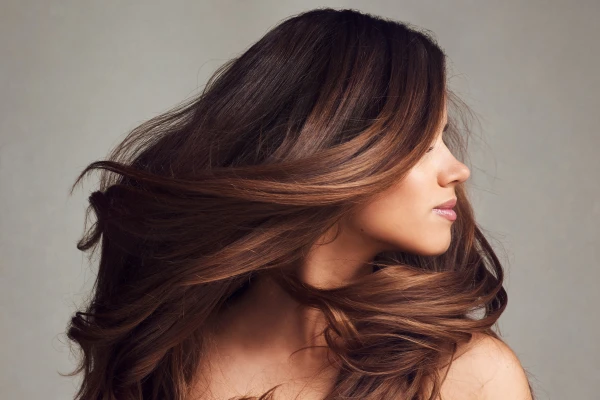
What tests need to be done and how to identify the causes of hair thinning — in our material.
Opinion of a Trichologist
Yevgeniya Kulikova, dermatologist-trichologist, cosmetologist
How to tell if hair is falling out?
Daily hair loss is a physiological norm. It should be noted that up to a hundred hairs can fall out during the day. At first glance, this number seems huge. But on average, a person has about 120,000 hairs. A new hair grows in place of the fallen one (it is the new hair that pushes out the old, dead hair), and the thickness of the hair remains unchanged. Usually, we notice fallen hairs while combing and washing — this is normal. If you notice a loss of hair thickness, an increase in hair loss, regularly find fallen hairs on your pillow, and when gently tugging on strands, you have 20–30 hairs in your hands, it is worth suspecting a problem and consulting a doctor.
The diagnosis of alopecia is made by a trichologist based on a combination of data, including the patient's history and examination results, including the use of a trichoscope (a special device that allows for magnified assessment of the condition of the scalp, hair follicles, counting the number of hairs per square centimeter, and evaluating what phase of growth they are in). There are several types of alopecia with various causes — these can include hormonal disorders, genetic predisposition, stress, autoimmune pathology, and much more. It is important for the doctor to identify the cause and prescribe appropriate therapy — the sooner, the better.
As a preventive measure against hair loss, I would primarily recommend a healthy lifestyle, including a balanced diet rich in vitamins and minerals, a proper sleep and rest regimen, and monitoring for deficiency states. The level of iron in the body is particularly important. It is crucial to avoid protein deficiency in the diet. Fashionable low-fat diets can also lead to hair loss due to changes in hormonal balance.
In addition to the above, it is important not to harm the hair during styling. Avoid exposure to high temperatures, and prefer gentle drying with warm air. When choosing a comb, pay attention to the ends of the teeth: they should not be sharp to avoid damaging the hair structure. It is better to choose a comb with rounded teeth — using it, you will simultaneously perform a gentle massage of the scalp, improving blood circulation.
As for hair length, it is genetically determined — that is, if you have never had long hair, unfortunately, you will not be able to grow it to your waist. In this case, it is worth paying attention to the quality of the hair, focusing on its structure and shine.
Opinion of an Endocrinologist
Kristina Nagaeva, endocrinologist
There are many possible causes of hair loss, but the main ones should be highlighted:
— iron and trace element deficiencies (iodine, selenium, zinc, copper);
— thyroid dysfunction;
— gynecological diseases related to estrogen and progesterone imbalance;
— protein deficiency as an important building material for hormones, enzymes, receptors (which is especially relevant for vegetarians!);
— intoxication, stress (including chronic);
— adrenal dysfunction;
— deficiency of polyunsaturated fatty acids (omega-3) in the diet.
To identify the cause of hair loss, it is necessary to consult a qualified specialist who can prescribe the necessary examinations, and then correctly interpret the results and select the appropriate dosages of certain medications. Only individually tailored treatment under the supervision of a specialist can yield a lasting positive result. Usually, the doctor prescribes the following examinations:
— complete blood count;
— thyroid hormone tests: TSH, free T3, free T4;
— vitamin D25-OH test;
— assessment of iron metabolism indicators: serum iron, TIBC, transferrin, ferritin, B12, B9 (folic acid);
— prolactin level determination;
— zinc concentration determination;
— standard blood biochemistry.
The list of other hormonal examinations should be compiled individually by the endocrinologist.
Vitamins play an important role. Vitamins A (retinol) and the B group are the main helpers in strengthening hair and improving its overall condition. It should be remembered that first it is necessary to undergo tests that will show whether you have a deficiency of these substances (otherwise, there is a high risk of developing vitamin excess, which will lead to other problems!).
Balanced nutrition can also help improve hair condition. For example, vitamin A is abundant in carrots, cabbage, apricots, and beef liver. B vitamins (B2, B5, B6, B8, B9) can be found in nuts, eggs, and berries (for example, raspberries).














Leave a comment