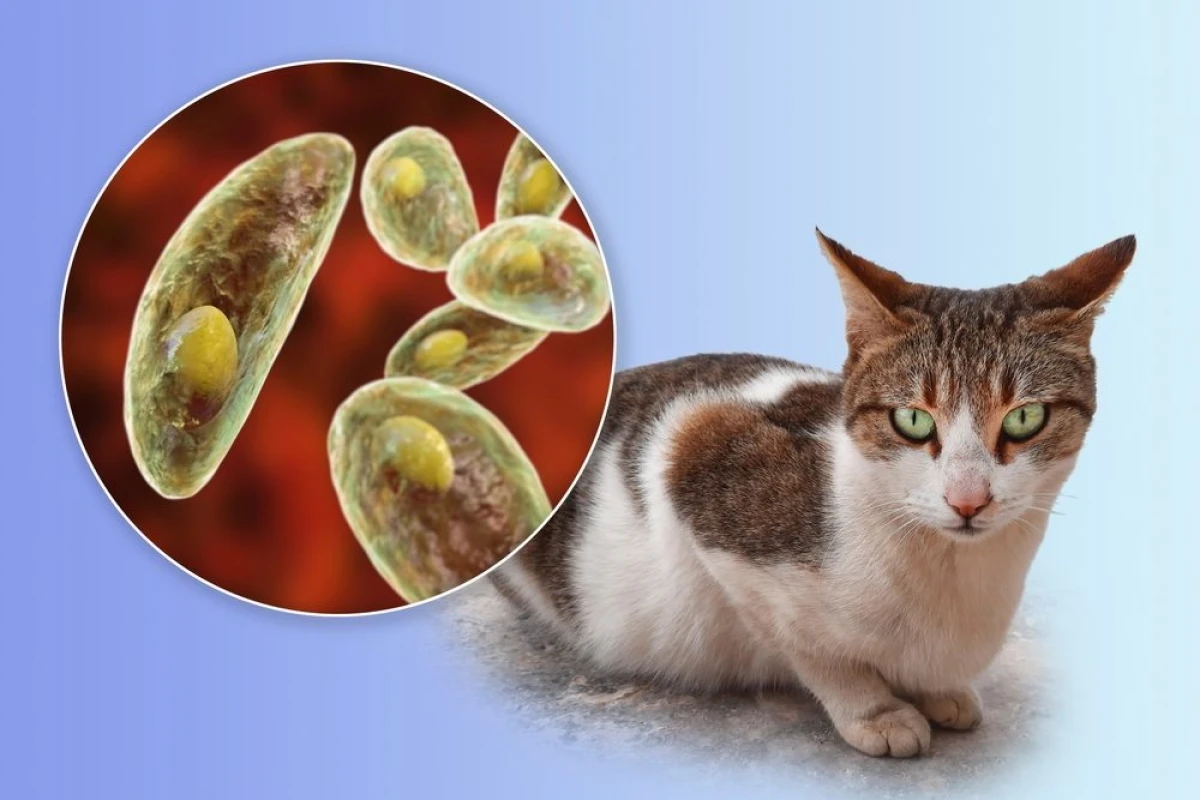
International researchers are urging the World Health Organization to include toxoplasmosis in the list of neglected tropical diseases. According to them, the parasite Toxoplasma gondii infects billions of people worldwide and can cause serious complications, including eye damage and risks for pregnant women.
The parasite Toxoplasma gondii, spread through cat feces, is one of the most widespread in the world. According to Gizmodo, citing a study published in the journal PLOS Neglected Tropical Diseases, it has the potential to infect billions of people and cause a wide range of complications.
Researchers claim that toxoplasmosis often remains an underestimated public health issue. According to their data, about 10% of the population in the U.S. are carriers of the parasite, while in certain regions, such as Brazil, the infection rate among the poor can reach up to 80%.
"We see that despite progress in combating other neglected tropical diseases, toxoplasmosis remains overlooked," said Flinders University ophthalmologist Justin Smith.
Toxoplasma gondii is a single-celled parasite, with cats as its primary hosts. It enters their bodies through infected rodents. Humans can become infected through contact with cat feces, consumption of contaminated water, and undercooked meat.
Danger for Pregnant Women
In most cases, the infection is asymptomatic; however, during pregnancy, it can pose a serious threat. According to researchers, the parasite can be transmitted to the fetus, causing miscarriages, neurological disorders, and congenital vision problems.
Impact on Vision and the Nervous System
One of the most serious consequences is eye damage. The parasite can cause inflammation of the retina, which in severe cases leads to scarring and irreversible vision loss.
Some studies also link the latent form of the infection to changes in rodent behavior and potential impacts on human behavior, as well as increased risks of various diseases. However, this data remains a subject of scientific debate.
Why the Infection is Being Considered for 'Neglected' Status
The authors of the study believe that toxoplasmosis meets the criteria for neglected tropical diseases: it is widespread, especially in poor regions, preventable, yet remains insufficiently studied and poorly controlled.
"Official recognition would help attract funding for the development of vaccines and new treatment methods," the scientists note.
Currently, there is no vaccine for toxoplasmosis, and available medications only manage the disease without providing a complete cure.
Prevention
Researchers emphasize that cat owners should not panic. The risk of infection can be reduced through basic hygiene measures: thorough cooking of meat, hand washing, and careful handling of cat litter.
Scientists also note that effective control of the infection requires not only individual prevention but also systemic measures — improving sanitation, water quality, and access to medical diagnostics.