
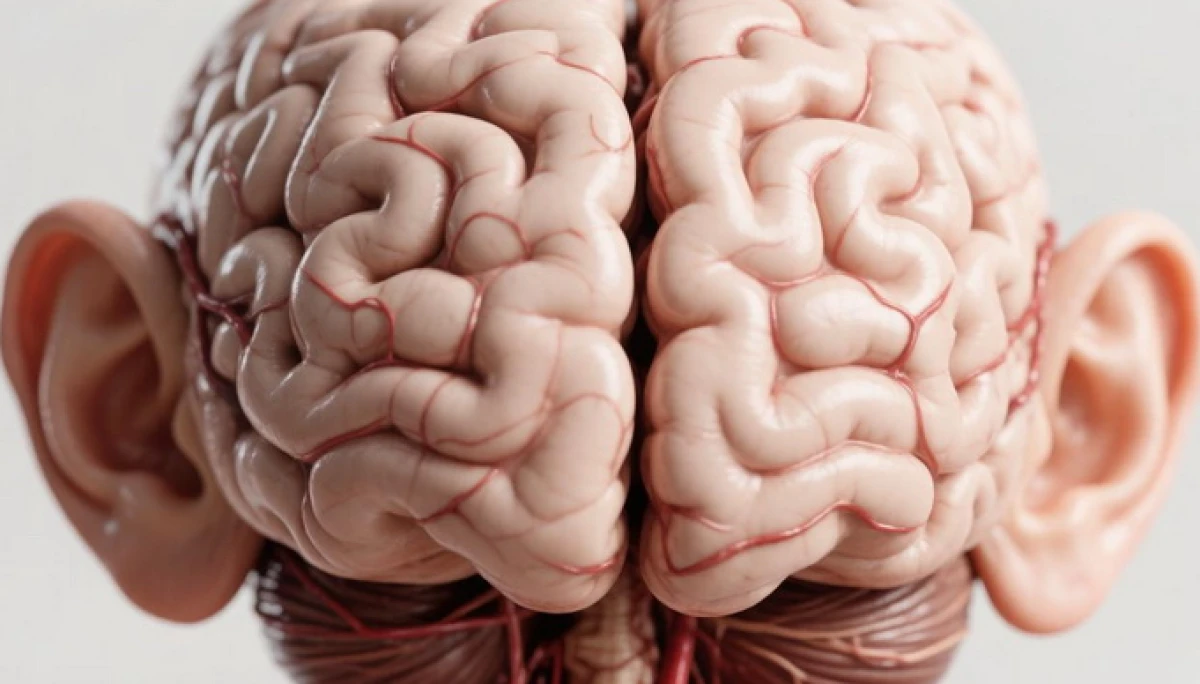
Researchers at the university in Jerusalem observed the workings of the unconscious using words with different emotional connotations.
We are not aware of everything that happens in the brain, and this applies not only to purely internal mental processes but also to the information that comes to us from the outside. Simply put, we do not notice everything we see, hear, and touch. Psychologists and neurobiologists are actively studying how the brain divides external information between conscious and unconscious processes.
However, most of this research is focused on vision – largely because it is easier to experiment with vision. For example, images that flash too quickly are not registered by consciousness, but the eye and brain still see them, and with the help of such rapid images, researchers can study how visual information is processed without the involvement of consciousness. For spoken language, it is impossible to organize a similar experiment, so researchers have to take indirect approaches.
In a recent article in Psychological Science, researchers from the Hebrew University of Jerusalem describe how they managed to observe the workings of the unconscious using words with different emotional connotations. A hundred adults watched figures changing on a screen, marking those they had already seen. At the same time, they listened to a stream of pseudowords – they sounded similar to Hebrew words but had no meaning.
However, from time to time, among these pseudowords, real words with neutral or negative emotional connotations appeared. The visual task and pseudowords were supposed to distract consciousness from hearing, so some of the real words were processed in the brain unconsciously. Participants in the experiment were directly asked whether they noticed a particular real word; additionally, they underwent special tests to check how and what they heard.
It was expected that words with negative emotional connotations would more often reach consciousness, but the opposite turned out to be true: negative words were filtered out, and consciousness more frequently caught neutral words. The researchers varied the conditions of the experiment – for example, increasing the set of words or simplifying the visual task – but the result remained the same.
The researchers explain this by stating that negative information requires more resources for processing, and if the brain is already occupied with something important, it will prefer not to expend energy on negativity, especially if it does not pose a direct threat. It is easy to imagine how this filter can fail, leading a person to feel that everything around is bad and will get worse.
But it is also easy to imagine the opposite, where the negativity filter works too well, and a person stops receiving any negative information at all – even that which could potentially protect them from great danger. However, before drawing far-reaching conclusions, it should be noted that the experiment did not use words with positive emotional connotations, and the words were actually a background to the main task. If you are conversing with someone or simply listening to another's conversation, the perception of negative words may be different.















Leave a comment