This approach will allow researchers to monitor the results and adjust the strategy.
Google plans to release up to 32 million engineered mosquitoes into the wild in California and Florida to combat diseases spread by these insects. The plans were revealed in a notification submitted by the company to the United States Environmental Protection Agency (EPA).
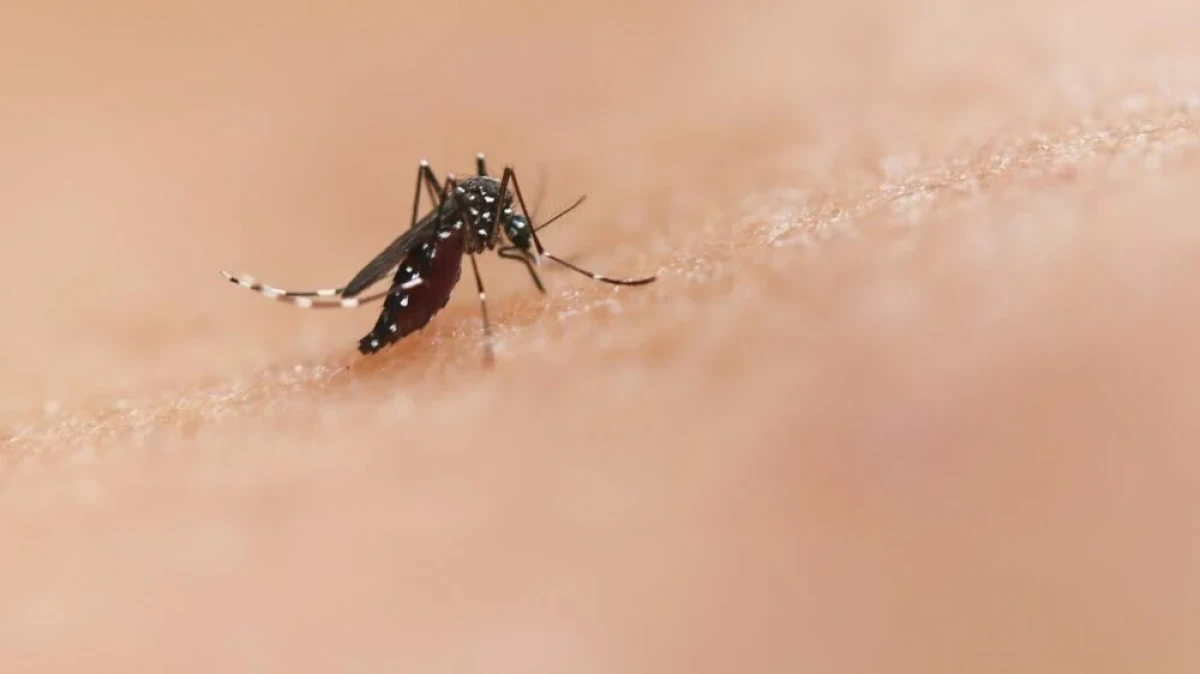
Mosquitoes remain the deadliest animals on the planet and are capable of infecting humans with a range of viral and other diseases, according to the Centers for Disease Control and Prevention (CDC). Among them are West Nile virus, St. Louis encephalitis, dengue fever, Zika virus, chikungunya, and yellow fever — which Google intends to combat, as specified by the New York Post (NYP).
To achieve this, the bacterium Wolbachia pipientis wAlbB will be used — it is proposed to be introduced into millions of male Culex quinquefasciatus mosquitoes before releasing them into the wild.
The bacterium, according to Google's plan, will prevent viable offspring from being produced by females, leading to a decrease in the insect population and a reduction in the threat of disease transmission. West Nile virus remains the most common mosquito-borne infection in the U.S., claiming an average of 120 lives each year. According to NYP, a new human infection case was recorded in California earlier in May.
The release of mosquitoes is proposed to occur not all at once, but in several groups over the next two years to avoid disrupting the ecosystem. This approach will allow researchers to monitor the results and adjust the strategy in case of unforeseen consequences.
In Florida, the idea has already been assessed at the local level. Chad Huff, a representative of the mosquito control district in Florida Keys, stated in an interview with WBNS that it is an excellent idea, although the technology itself is not new.
"This could lead to a reduction in the population, and those who have already tried to do this are achieving just that — using one mosquito as a means to combat others," Huff said.
Opinions among local residents were divided — Tara Nye stated that she supports the implementation of this method if it helps reduce mortality. However, there was also a suggestion to test the idea "in another state."
Public health experts have long studied biological methods as an alternative to the widespread use of pesticides, writes The Garden Magazine. This project continues that work, scaling up an approach that has shown promising results in small trials in other regions, the publication notes.
The EPA will consider public comments on the initiative until June 5, after which it may approve Google's request or deny the company.
The initiative is part of a little-known project called Google Debug, launched over ten years ago to develop new technologies aimed at reducing mosquito populations — disease carriers. The first successes during "field trials," according to the company, were achieved in Fresno, California, in 2018, and the results were later published in the journal Nature Biotechnology in 2020.
"At the height of the mosquito breeding season, the number of female mosquitoes was 95.5% lower in areas where they were released compared to areas where they were not released, with the most geographically isolated area seeing a reduction of 99%," the study noted.
The IT giant's program is likely named after the process of finding, locating, and fixing bugs in computer code — debugging. The errors in programming are called bugs, which literally translates to "insect."
The origin of the term is linked to a real story that occurred in the mid-20th century. In 1947, at Harvard University, while working with the Harvard Mark II computer, engineers discovered a burned moth between the contacts of an electromechanical relay. The insect, attracted by the light and heat of the machine, had crawled inside and caused a short circuit, leading to a malfunction of the device.
<iframe width="560" height="315" src="https://www.youtube.com/embed/961YGD34xXg?si=99qL4m_nU5RARfc3" title="YouTube video player" frameborder="0" allow="accelerometer; autoplay; clipboard-write; encrypted-media; gyroscope; picture-in-picture; web-share" referrerpolicy="strict-origin-when-cross-origin" allowfullscreen></iframe>