
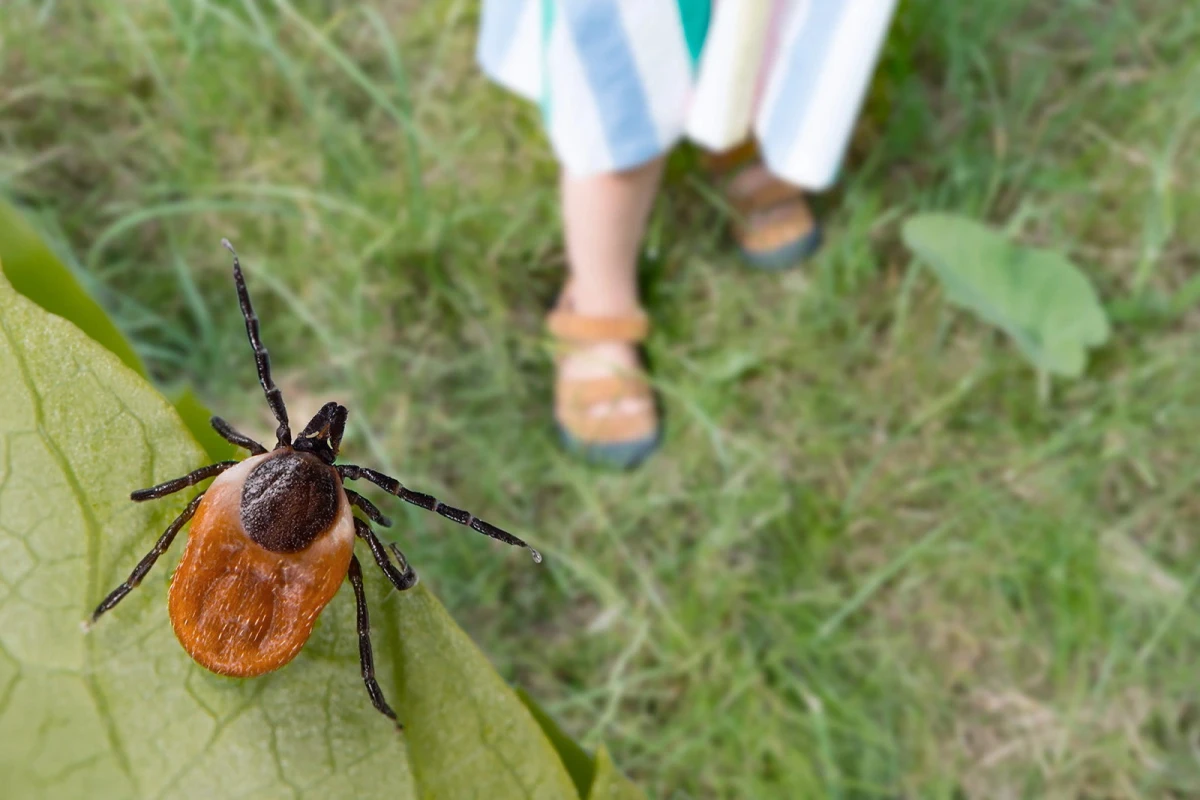
American researchers have discovered a protein that helps ticks not only feed on blood but also transmit dangerous viruses and bacteria. This discovery could serve as the basis for creating new protective measures against tick-borne infections.
The number of tick-borne diseases is increasing worldwide every year. These parasites are carriers of dangerous viruses and bacteria that can cause severe illnesses in humans and animals. Until now, the main protective measures have focused either on preventing bites or on reducing tick populations. However, scientists have proposed a new approach — to directly affect the mechanism of infection transmission.
It is known that infection occurs during a bite. Tick saliva contains a complex set of biologically active substances, including exosomes — microscopic extracellular vesicles that transport proteins and signaling molecules between cells. These help the parasite securely attach to the skin, feed unnoticed, and suppress the host's immune response.
In a study published in The EMBO Journal, researchers from the University of Tennessee discovered a new glycine-rich exosomal protein, GRP, that ticks release while feeding on blood. It turned out that this protein plays a key role in the transmission of pathogens from the tick to the host.
The researchers found that as the tick becomes engorged with blood, the production of the GRP protein significantly increases. This creates favorable conditions for the spread of viruses and other infectious agents.
During the experiment, the scientists disabled the gene responsible for synthesizing this protein. As a result, the ticks fed less effectively, gained weight more slowly, and developed poorly. Additionally, the parasites' ability to transmit viruses to new hosts sharply decreased.
According to the authors of the study, the GRP protein serves two important functions: it helps the tick feed efficiently while simultaneously promoting the spread of infection. This is why it is considered a promising target for the development of new vaccines and drugs against tick-borne diseases.
The discovery by American scientists allows for a new perspective on the fight against tick-borne infections. If a vaccine or drug can be developed to block the action of the GRP protein, it will help not only weaken the parasites themselves but also significantly reduce the risk of transmitting dangerous viruses and bacteria to humans.















Leave a comment