Insects are more often food.
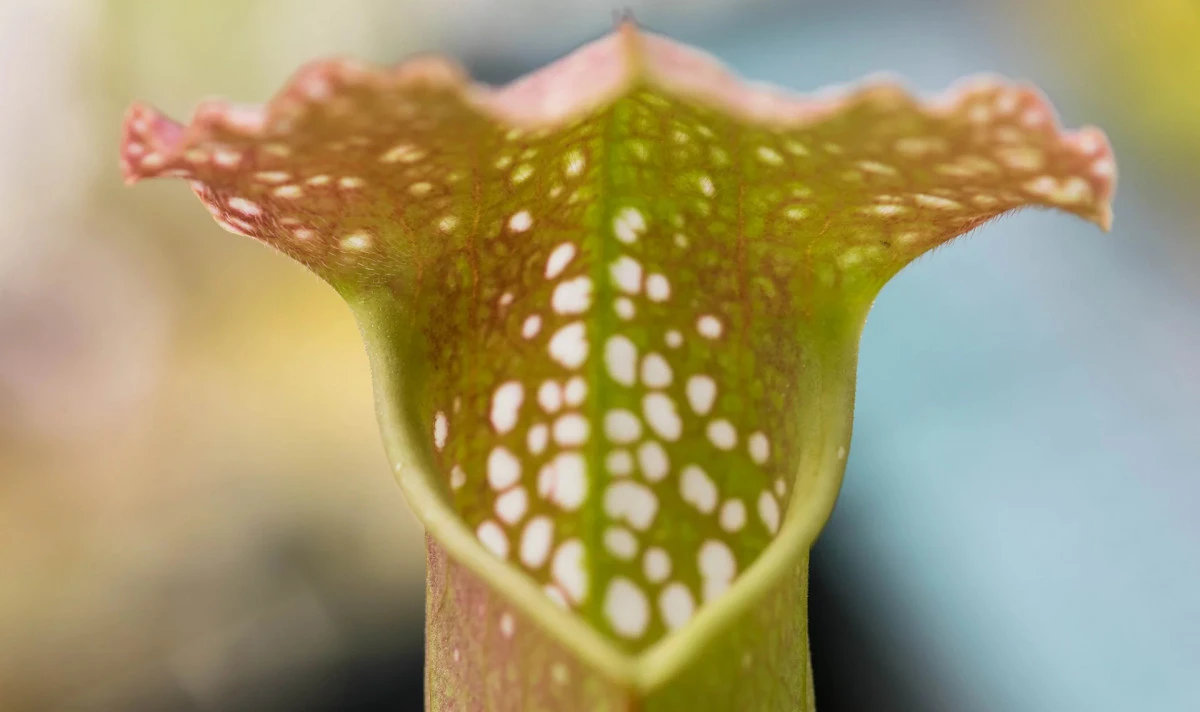
Researchers from the Okinawa Institute of Science and Technology have partially unveiled the astonishing food acquisition mechanism used by the California pitcher plant Darlingtonia californica. This carnivorous plant is characterized by its surprisingly low hunting efficiency – up to 98% of all insects that fall into its trap escape unharmed. But now scientists have come to understand that the plant does this intentionally, allowing it to earn the title of the "smartest" predator on the planet.
The behavior model of carnivorous plants is almost always extremely simple. They lure insects to the inner surface of the trap leaf with the scent of nectar or a special mucus, after which they capture and consume them. All mechanisms operate at the reflex level, as is typical for beings without intelligence. But for Darlingtonia californica, it’s different – the pitcher plant regulates the tension in the trap door and almost always leaves it open, even when an insect has been inside for a long time. But sometimes it closes it – and dines.
The secret was revealed through measuring nitrogen in the bodies of insects and the nectar of the pitcher plant. Nitrogen is the basis of life, but in nature, only bacteria can extract it directly from the atmosphere. All other creatures must absorb each other to obtain it. Nitrogen has several forms, and light variations, like nitrogen-14, evaporate in the process. Heavier forms (nitrogen-15) accumulate in tissues and serve as an indicator of the food chain level at which a creature exists.
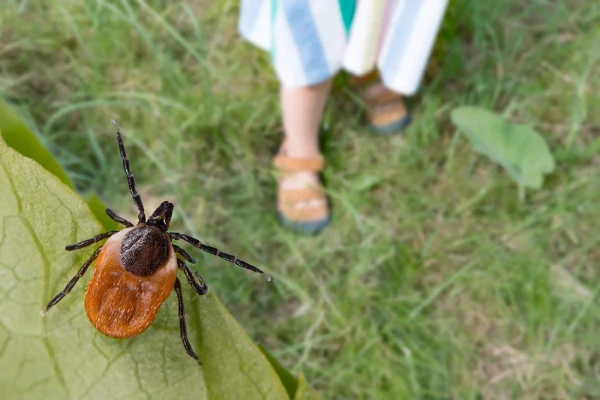
Insects are more often food for others than they themselves consume someone, making it difficult for them to acquire nitrogen. The nectar of Darlingtonia californica turned out to be unexpectedly rich in nitrogen-15 – combined with the other elements in its composition, it is ideal food for insects. So much so that they are willing to constantly risk being eaten just for the opportunity to feed themselves fully. Additionally, the pitcher plant seems to "fatten up" its guests, allowing them to grow and spread the word about the free "cafeteria" among their kin. This ensures that the plant always has food without additional effort.
<iframe width="560" height="315" src="https://www.youtube.com/embed/DQgKef4OIcM?si=s3mHszPFRIo279MF" title="YouTube video player" frameborder="0" allow="accelerometer; autoplay; clipboard-write; encrypted-media; gyroscope; picture-in-picture; web-share" referrerpolicy="strict-origin-when-cross-origin" allowfullscreen></iframe>