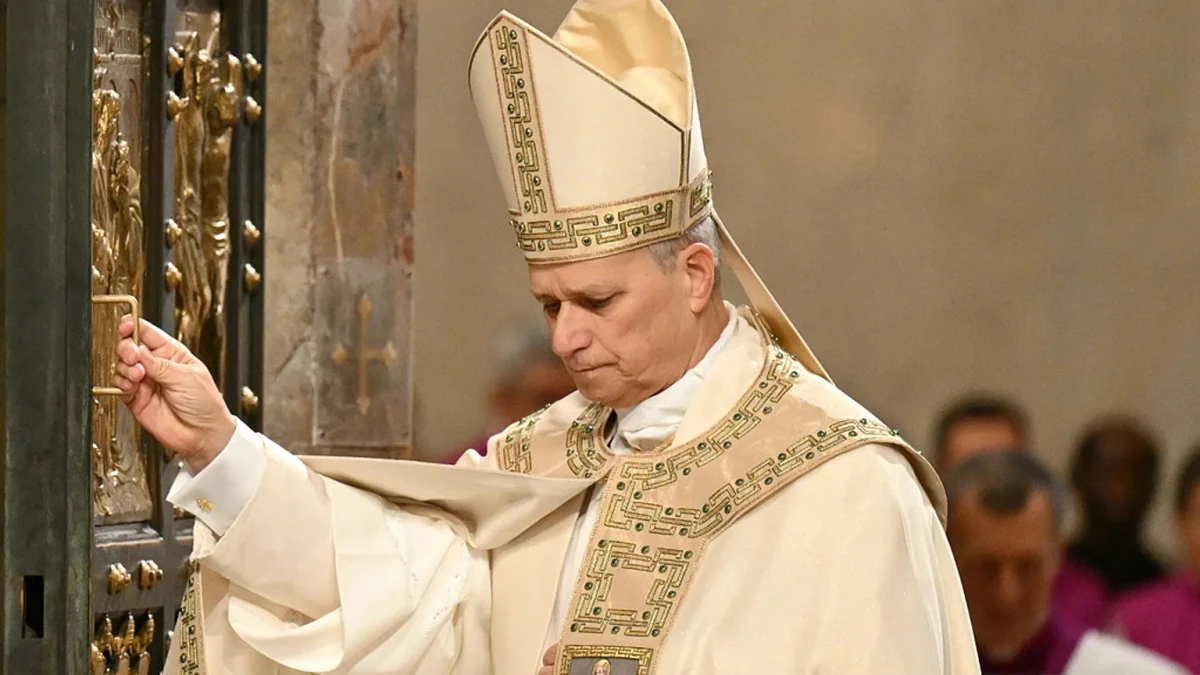
Pope Francis Leo XIV has sharply criticized the uncontrolled development of artificial intelligence. In the new encyclical, the pontiff warned of the dangers of automation, the increasing power of corporations, and the military use of AI, calling on the global community to create international mechanisms for technology oversight.
The encyclical is titled Magnifica humanitas ('The Greatness of Humanity'), published on the occasion of the 135th anniversary of Rerum novarum by Pope Leo XIII - a landmark social document of the Catholic Church from the time of the industrial revolution.
The new pontiff drew a parallel between the changes of that time and the modern era of artificial intelligence. In the text, Leo XIV notes that technologies are not evil in themselves; however, they are never neutral, as they reflect the goals and values of those who create, finance, and control them.
The Pope warned of the dangers of the so-called 'technocratic paradigm,' where efficiency and profit become the main criteria for decision-making. According to him, artificial intelligence can imitate humans but lacks moral consciousness, empathy, or spirituality.
The head of the Catholic Church paid special attention to the military use of AI. He called to 'disarm' artificial intelligence, freeing it from the logic of war, dominance, and competition. In Leo XIV's view, technological power should not automatically grant the right to control people.
The pontiff also advocated for the creation of international rules and independent oversight for the development of AI, as well as for the protection of workers from mass displacement due to automation. He emphasized that digital technologies should serve the common good, not the interests of a narrow circle of corporations.
In the document, Leo XIV called for the protection of truth and the fight against disinformation, as well as the support of education and critical thinking among youth in the context of rapid digital technology development.
Pope Leo XIV stressed that artificial intelligence should not become a tool of power, manipulation, and the exclusion of people from public life. According to the pontiff, technologies must serve humanity and the common good, not just profit and efficiency. The head of the Catholic Church urged the development of education, critical thinking, and international oversight of AI to preserve human values in the digital age.