
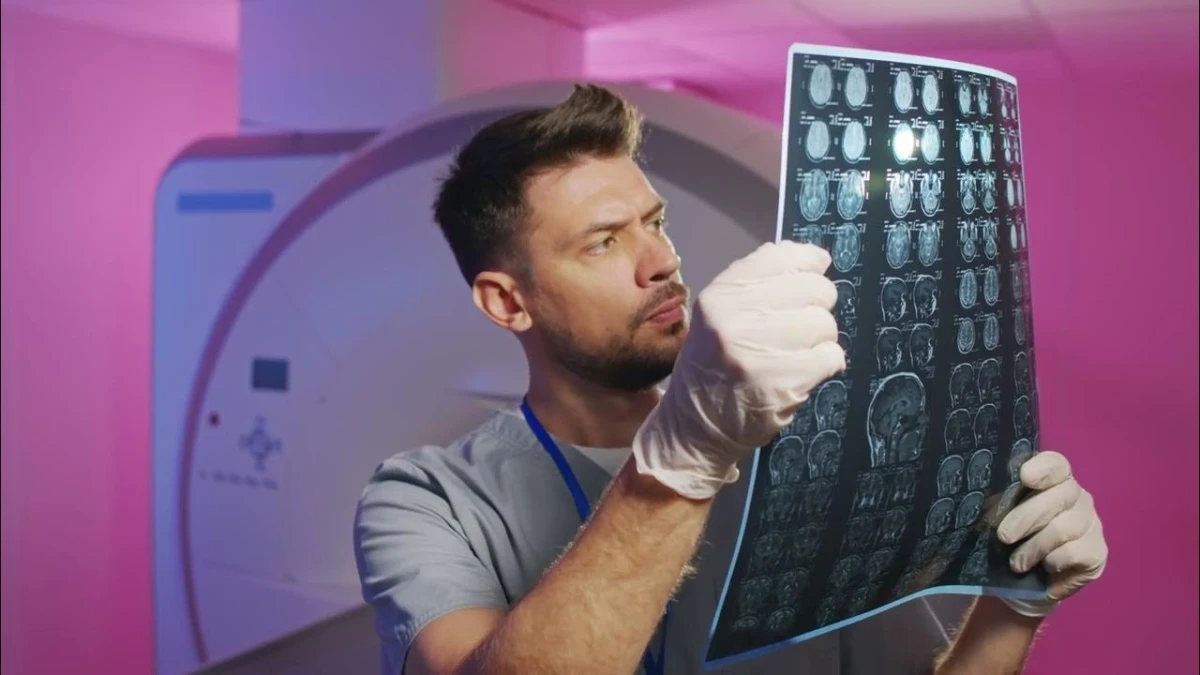
Researchers from the Medical University of South Carolina have discovered that the brain has its own slow waste removal system linked to the body through structures in the meninges. The middle meningeal artery plays a key role in this process, with slow fluid movement occurring near it, distinct from normal blood flow.
The brain is constantly working and producing waste that needs to be removed. Researchers from the Medical University of South Carolina have discovered that it has its own slow cleaning system linked to the body through tiny channels in the protective layers (meninges).
A blood vessel called the middle meningeal artery not only carries blood but also aids in drainage: fluid in this area moves slowly, like draining water, rather than quickly like blood. The researchers used specialized MRI scans of five healthy individuals and confirmed that the slow movement of fluid is distinct from blood flow and is part of the cleaning system. Samples of actual brain tissue showed a network of tiny drainage vessels near the artery, similar to those that function in the rest of the body.
This system operates slowly but continuously, preventing the accumulation of harmful substances in the brain. Understanding how it works will help doctors recognize early signs of diseases: if the cleaning process slows down, waste accumulates and damages cells, which may explain Alzheimer's disease, memory loss, and the effects of head trauma.
The discovery provides new insights into how the brain eliminates harmful substances and may aid in the early diagnosis of conditions such as Alzheimer's disease and the aftermath of injuries, reports bb.lv. The researchers emphasize that this system operates continuously and is closely linked to the body as a whole; however, further studies are needed for a complete understanding of its mechanisms and role in disease development.
















Leave a comment