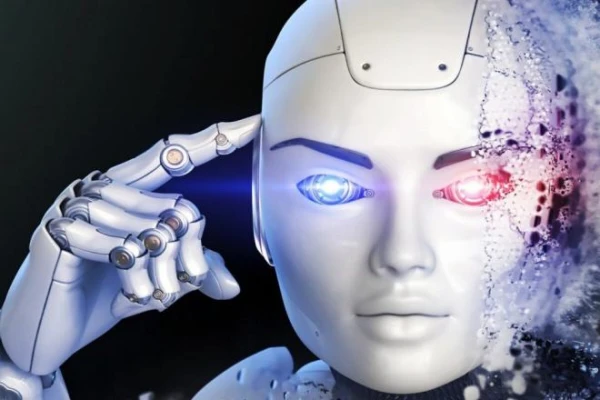
Layoffs due to AI could trigger a vicious cycle: rising unemployment, falling consumer spending, and social upheaval, according to the thought experiment.
Artificial intelligence (AI) may displace human labor on such a scale and at such a speed in the coming years that society will not be prepared, according to a new scenario describing life in 2028.
The authors of the forecast speak of a "global intelligence crisis" that will hit the world by 2028 due to the replacement of highly skilled labor with AI systems.
James Van Gelderen, CEO of the American investment-research company Citrini, and Alap Shah, an entrepreneur in the AI field, wrote a piece in the form of a fictional memo dated June 2028, retrospectively describing how the crisis unfolded.
According to their scenario, mass layoffs "due to the obsolescence of humans" began in 2026 when companies started assigning tasks to AI agents without human oversight.
Van Gelderen and Shah refer to a wave of layoffs in the tech sector in January: Amazon, Expedia, and Pinterest announced job cuts related to AI. However, experts have previously noted that it is difficult to determine definitively whether these job losses are specifically linked to increased efficiency due to AI.
Layoffs in the tech sector trigger a vicious cycle: as companies invest more in AI, the models become increasingly powerful, leading to further layoffs, the authors write.
"The decisions of each individual company were rational. The cumulative result was catastrophic," the forecast states.
Companies were forced to adopt the latest technologies to remain competitive, so those most threatened by AI became its most active and aggressive implementers, the authors note.
According to them, displaced office workers transitioned to lower-paying positions and blue-collar jobs, while the few who retained their positions faced wage freezes. By mid-2027, the U.S. economy enters a recession, and by 2028, the unemployment rate exceeds 10%.
AI Agents
The document suggests that by 2027, AI agents are running in the background on people's devices. They write all computer code, conduct multi-week research projects, and optimize how users manage their money.
While AI does create some jobs in the new economy—such as prompt engineers, security specialists, and infrastructure technicians—dozens of other professions become obsolete. According to the scenario, new roles pay only a small fraction of what previous positions earned.
Does Artificial Intelligence Take Away Jobs from People? Who (for now) Should Not Be Worried
The transition of office workers to low-paying jobs further pressures wage levels due to a sharp increase in labor supply. Many households are forced to rely on credit cards or withdraw funds from retirement accounts to service their mortgages. By 2028, the U.S. economy is on track for a new mortgage crisis.
To soften the blow, the government has to direct more money to households, although it collects less tax from them due to falling incomes. The authors note that this creates additional strain on the economy.
They also predict the emergence of an "Occupy Silicon Valley" movement, akin to the Occupy Wall Street protests of the 2010s: in May 2028, demonstrators block entrances to the offices of Anthropic and OpenAI in San Francisco for several weeks.
Van Gelderen and Shah clarify that events may not unfold exactly as described, but they assert that AI is already changing the economy faster than institutions can adapt.