
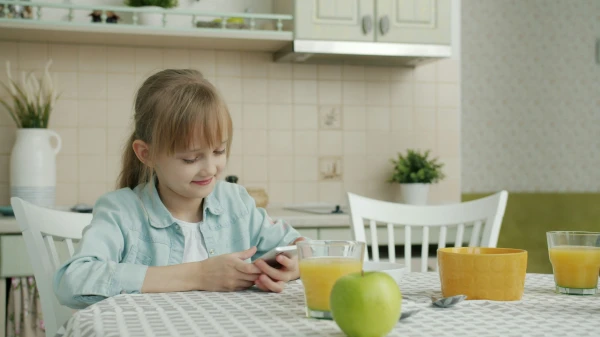
In December of last year, Australia introduced a ban on the use of social media until the age of 16. Following its example, France and Denmark are quickly moving forward, and other countries are also considering the possibility of introducing restrictions on social media use by children.
How quickly and widely such measures will be implemented depends on politicians and public opinion in each specific country; however, there is an increasingly clear consensus on the need for action. The goals of these initiatives are dictated by common sense - to protect children and youth from cyberbullying, harmful or age-inappropriate content, manipulative and commercially harmful practices, as well as from other online risks and negative impacts on physical and mental health that may be caused or exacerbated by excessive use of social media.
At the same time, the question remains open as to how to implement such measures in practice while maintaining a balance between the reality of everyday life, where mobile devices have become an integral part of daily life, and the rights of youth to freedom of speech and self-expression in the digital environment. The answer likely lies in a comprehensive approach: alongside educating children, it is necessary to foster a responsible digital society.
Many social networks, including "TikTok," "Facebook," and "Snapchat," have long prohibited registration for children under 13 years old, and European Union regulations require large platforms to implement measures to protect youth from online risks and inappropriate content. However, officials and experts acknowledge that in practice, these restrictions often do not work. According to official data, in several European countries, the majority of children under 13 have their own social media accounts.
According to UNICEF, children make up about one-third of all internet users worldwide, and many of them regularly access digital platforms and the latest technologies, including artificial intelligence tools, from an early age. The more widespread the use of smart devices and the internet among children and youth, the more frequently problematic use manifests itself with all the resulting negative consequences. Approaches vary among different countries; however, more and more states are concluding that specific and systemic steps are now unavoidable.













Leave a comment