
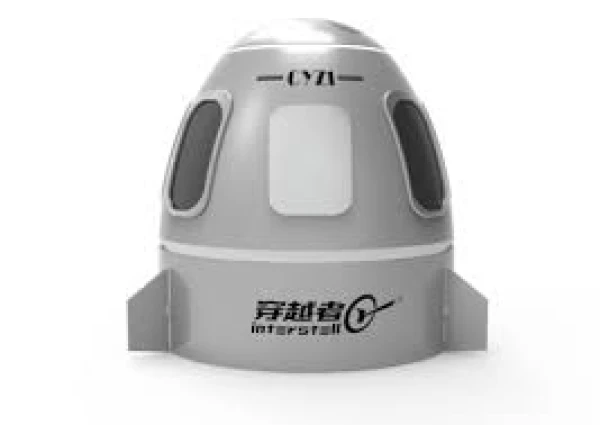
According to InterstellOr, post-test verification confirmed a smooth sequence of absorption.
The test module of the Chinese commercial manned spacecraft CYZ1 has successfully completed comprehensive testing of the landing shock absorption system. This was reported on Sunday by the spacecraft developer InterstellOr.
All target indicators met the specified values, with key metrics exceeding expectations.
As reported on InterstellOr's official WeChat account, the test accurately simulated the real landing of the spacecraft after its return. The test capsule, weighing 5 tons, was lifted to a height of over three meters above the ground and was instantly released on command, allowing it to fall freely. This simulated the stable descent rate of the capsule under the main parachute.
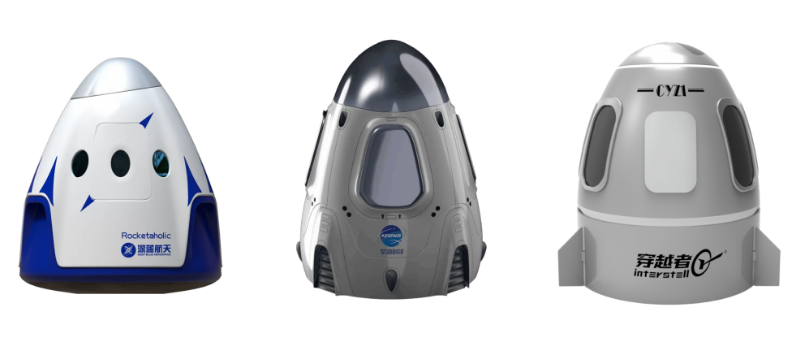
The landing shock absorption system was then immediately activated, and its retro-thruster released high-pressure gas to create stable reverse thrust.
By precisely interacting with the energy-absorbing structure at the bottom of the spacecraft, the landing shock absorption system provided effective braking and cushioning over an extremely short stroke.
According to InterstellOr, post-test verification confirmed a smooth sequence of absorption, the integrity of the capsule's structure, and the full functionality of onboard equipment, indicating the high feasibility and reliability of the landing shock absorption system.
Researchers at InterstellOr will conduct a comprehensive analysis of the test data to optimize the system parameters, thereby laying a solid foundation for the further development of the manned spacecraft CYZ1.









Leave a comment