
Modern life has become extremely toxic.
We rarely think about the harm of the things that surround us. Scientific studies show that some of them release harmful substances.
Plastic Dishes and Containers
Polycarbonate plastic materials — bottles, containers, children's dishes — often contain Bisphenol A (BPA). When heated or when storing acidic/hot foods, BPA can leach out and enter the body. The link between BPA levels in the body and an increased risk of metabolic and hormonal disorders, cardiovascular diseases, and reproductive problems has been documented in several studies, some of which were conducted by the Harvard School of Public Health. Therefore, plastic dishes, especially those that come into contact with hot items, should be replaced with glass, ceramic, or stainless steel.
Candles and Air Fresheners
Burning aromatic candles releases substances such as formaldehyde, benzene, and toluene — carcinogens that irritate the respiratory system. Meanwhile, air fresheners and aromatic sprays often emit volatile organic compounds (VOCs) that degrade indoor air quality, especially in poorly ventilated spaces. For this reason, it is recommended to use candles and aerosols sparingly, while ventilating the room as often as possible; for fragrance, it is better to prefer essential oils with a diffuser or natural phytozones.
Cheap LED Bulbs and Hidden Toxic Risks
At first glance, LED bulbs are safe, energy-efficient, and long-lasting. But this is only true for certified models. Cheap bulbs made from unsafe materials can release harmful substances or emit unpleasant flickering light. According to a study published in the journal Environmental Science & Technology, cheap LED bulbs can release heavy metals — lead, copper, nickel — when the casing is damaged. Therefore, it is not worth saving on them.
Old Furniture, Carpets, Synthetic Fabrics
Many upholstered furniture and carpets emit VOCs from adhesives, paints, and treatments — formaldehyde, styrene, and other substances. Additionally, carpets and upholstered furniture actively accumulate dust, micro-particles, pesticides, skin flakes, and hair, which will rise into the air at the slightest movement. Therefore, when purchasing new furniture, choose products made from natural materials, ensure regular damp cleaning, and avoid carpets in the bedroom — especially if you have allergies.
Cleaning Products and Household Chemicals
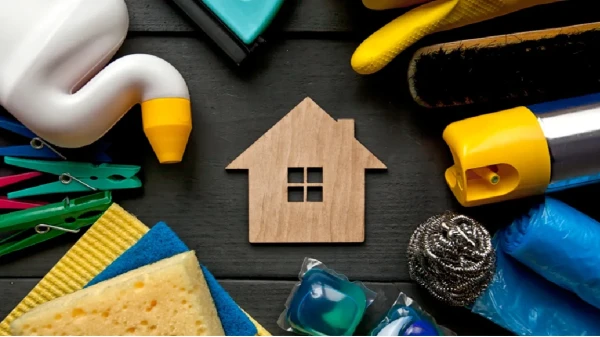
Many household cleaning and washing products contain aggressive chemicals that can release vapors and micro-particles irritating the respiratory tract after spraying or rinsing. Such reactions have been documented in studies comparing the health indicators of regular users of household chemicals and those who do not use them. To protect yourself, use products with minimal ingredients, wear gloves, and ventilate the room immediately after cleaning.
Reusable Plastic Bottles
Plastic, especially old or heated, releases chemical compounds. Water stored in plastic for a long time may contain harmful impurities. With repeated use of bottles, chemicals and microbes can enter the water through micro-cracks. It is better to use glass or steel bottles and not to store water for long periods in plastic.
Electrical Appliances and Old Wiring
A significant portion of household fires is caused by electrical malfunctions, overloads, overheating of extension cords, and poor wiring. According to official statistics, electrical equipment malfunctions account for about 26 percent of fires. It is important not to overload extension cords, monitor the condition of cables, unplug devices when not in use, and use outlets according to the power of the appliance.
Teflon-Coated Cookware
Teflon pans are safe when cooking over medium heat. However, studies show that when overheated above 260–300 °C, Teflon begins to decompose, releasing perfluorinated compounds — primarily perfluorooctanoic acid (PFOA). A report from the U.S. Environmental Protection Agency (EPA) states that PFOA is classified as a persistent organic pollutant that does not leave the body for years.














Leave a comment