
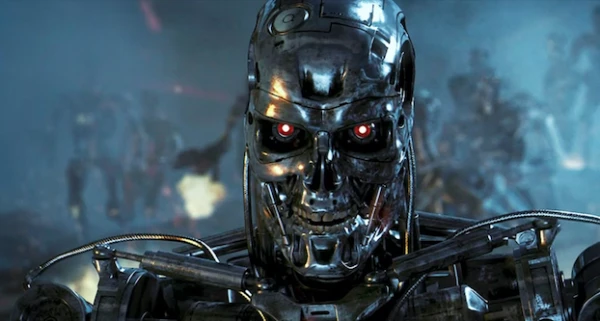
The simulation of the real world has accelerated robot training by hundreds of thousands of times.
An international group of scientists has created a robot training technology based on virtual worlds. This was noted by ArsTechnica.
The methodology was developed by a team of specialists led by Zhou Xiang from Carnegie Mellon University (USA). It is based on simulating the real world in virtual reality (VR), which engineers conditionally refer to as 4D. Journalists compared the new training technology to the method used by the characters in the sci-fi movie "The Matrix" to acquire skills.
The platform created by the specialists, Genesis, allows data processing 80 times faster than existing simulation methods. It is also 430,000 times faster than if robots were trained in the real world. The system is based on a cluster with graphics cards that can simultaneously run 100,000 copies of simulations.
The prompt-based system allows researchers to create complex environments for testing robots by entering commands in natural language rather than programming them manually. It can recreate character movements, interactive 3D scenes, facial animations, and much more.
To write and work with the user interface and the main graphics engine, the scientists use the Python programming language. The researchers also provide free access to the virtual simulation system. "Robotics should be an initiative owned by all humanity," noted Genesis author Jim Fan.












Leave a comment