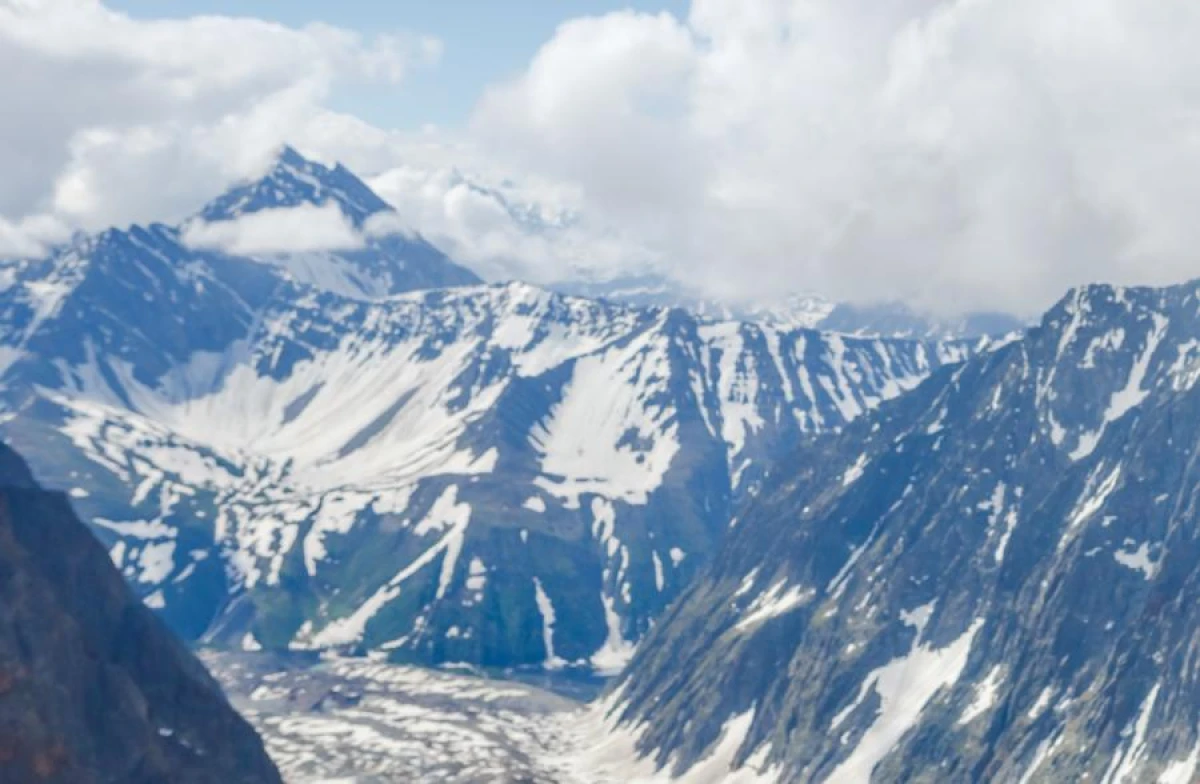
BB.lv reported that three Latvian climbers died while ascending Mount Denali in Alaska, and another expedition member sustained serious injuries. The tragedy occurred in one of the most dangerous sections of the highest peak in North America, where even experienced climbers can find themselves in a life-threatening situation.
This incident has sparked discussions on social media not only about the risks of mountaineering but also about people's choices to engage in hobbies where a mistake, a change in weather, or simply an unfortunate turn of events can cost lives.
Some commentators emphasize that every person has the right to choose their path and pursue their dreams, even if they come with great risk. Others, in turn, question at what point a passion becomes too dangerous a challenge?
On the social network Threads, Solvita initiated this topic, writing: “I am troubled, and I am accompanied by deep sadness for those three people whose lives were cut short in the mountains of Alaska. People who knew perfectly well where they were going, planned to return. This was certainly not in their thoughts - the last adventure… There is so much reflection on life, its meaning, and choices. What is more important? To live a calm life, free of challenges, without unnecessary stress, and hopefully reach a respectable age, or to live life to the fullest, fearlessly, boldly, and not be afraid/not think about dying young?”
One of the first to comment was mountaineering instructor Kristaps Liepiņš. He writes: “The best thing is to live long and happily, filling your life with what you want: to love, to risk, to learn, to experience, to take on challenges, to smile, to create, to be on the way, to stop and listen, to see, to feel, to meet, to speak and sing, to rejoice, to give part of yourself to others… All of this is what matters most!”
Nora believes that it is important to be happy: “In my opinion, the highest assessment of life is to die happy, in the process of what you do and want to do.”
“A lot in this equation depends on whether there are children or not - whether you are still responsible for someone else,” writes Ilze, as the birth of children undoubtedly changes our sense of responsibility.
Cynthia believes that the risk, for example in mountaineering, is too great: “I am only expressing my opinion, without judgment: I believe that this risk is too great to engage in such activities. A person should respect their life, which is given to them, and cherish it, rather than risk it. Why take risks if you know you could lose everything? This is not only about this case; there are many like it.”
Ilze also advocates for a calmer life: “I am probably one of those people who do not challenge fate. I think not in relation to myself, but more about loved ones… they remain to live in the pain of loss.”
Maris, in turn, breaks down the topic very well: “I have thought about this too. But people are different; there is no one answer, no one recipe. If this was their joy in life, their passion, their fulfillment, then so be it, and nothing needs to change.
We are used to grieving, to being sad about what has been taken away, but we do not rejoice in what is given. These people were given a life of such length - is that little or a lot? Considering the specifics of their activity, perhaps it could have happened earlier. Tragic things can happen even in seemingly safe situations, and vice versa. It is an illusion that we control this life, that we can plan something, influence something. Otherwise, nothing like this would happen. Please perceive this more philosophically than pragmatically.”
Another interesting point of view: “There are people who fear death more than not having truly lived. The question is not about dying young or old, but about how present we are in our own lives. Living 90 years without stepping out of the comfort zone and not feeling the pulse of life does not seem ideal to me. By avoiding risks, people miss their true potential and later feel regret over unfulfilled dreams.”
Kristine reminds us of the fragile line of life: “People who engage in such activities are well aware that they may not return home. Water, mountains are cruel… there is no room for mistakes… Sometimes the boundary between a favorable outcome and tragedy is very fragile. Everyone has their own life and their own choice. Live and let die.”
Stella believes that climbers are aware of the risks: “I am not one of those people who listens to podcasts, but because of this event, I started listening to ‘Into Thin Air’. I recommend it. They are very aware of the risks when climbing mountains. I listened to interviews with Olga Kotova, Kristina Kravcova, and Valdis Purinsh. I truly recommend it - it will provide understanding of why they do it and insight into the risks, organization, and much more. Of course, it is sad for the deceased, but they lived on this earth, not just existed, and it was their own choice. My condolences to the families.”
And again - there is no single correct recipe for how to live properly. For each of us, the most correct is our own, as this comment reminds us: “I would rather live a calm, challenge-free life without unnecessary stress. I really want to reach a respectable age because I want to see my children grow up, I want to wait for grandchildren. I do not want to die young. So far, my life has been somewhat like that (well, okay, there is stress), and there is nothing wrong with such a life. My condolences to the families of the deceased.