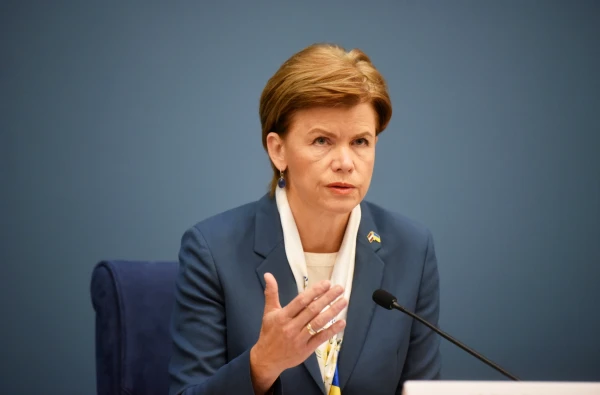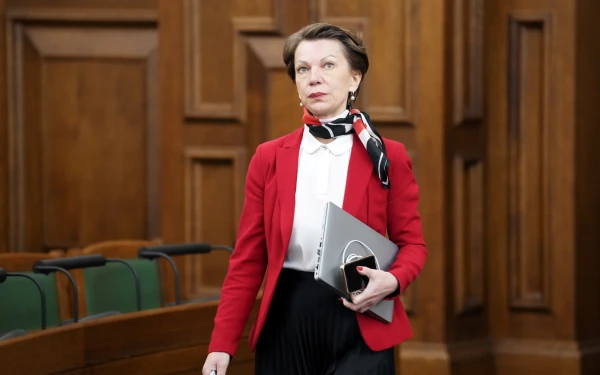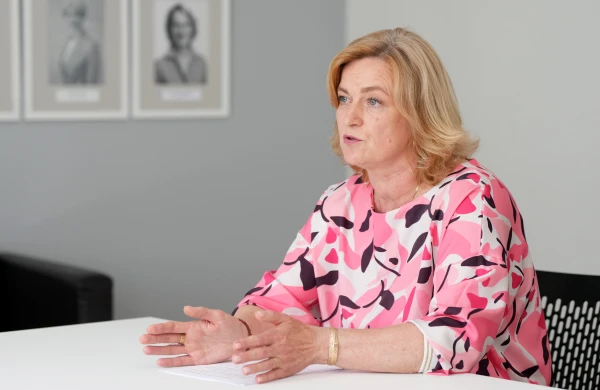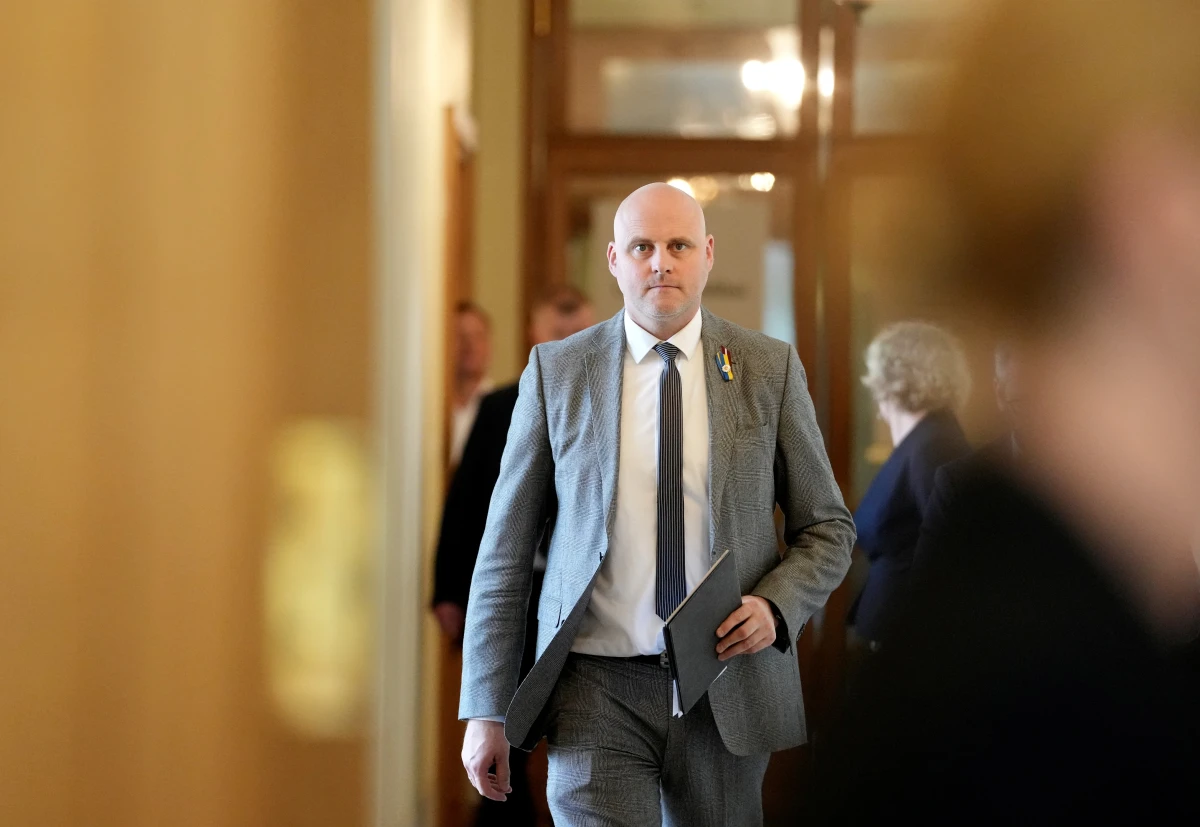
There is no time to radically change anything — at least until the elections — for Andris Kulbergs and his team.
Any serious changes require agreements within the coalition, with experts, and with representatives of those sectors that want to "reform"... Moreover, the Saeima has gone on vacation — so one can forget about the adoption of any basic laws until September. Therefore, the Prime Minister and his colleagues can only share their "discoveries" with the public, cutting to the chase. And make insignificant technical decisions.
The first "festival of revelations" was initiated by the head of government himself, stating that bureaucracy simply consumes precious time, cluttering Cabinet meetings with secondary technical issues. But at the same time, Kulbergs immediately added that... he won’t be able to change much.
Ministers Will Gather at the Base
To make the government’s work more productive and effective, the Prime Minister decided to hold Cabinet meetings not once, but at least twice a week — on Tuesdays (the traditional Cabinet meeting day — ed.) and Fridays. However, due to the Prime Minister's endless foreign visits, he has not yet managed to fulfill his promise. And in light of the holidays, the last government meeting took place on... June 16.
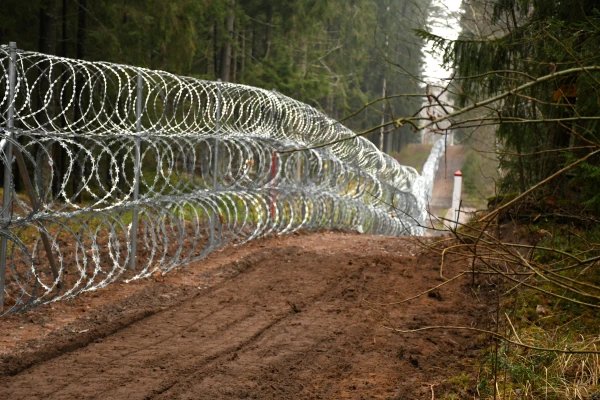
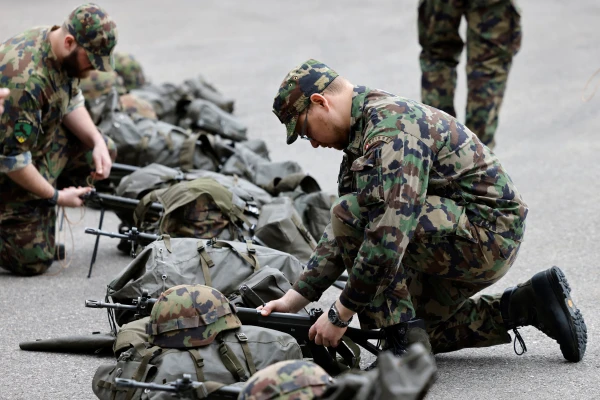
The upcoming meeting will be specific — it will take place tomorrow — it will be an off-site meeting dedicated to the situation in the border areas. The Cabinet of Ministers will meet in full at the Lūznava military base! On the agenda — strengthening the eastern border and economic development of the region.
There is no time for decision-making, but it is possible to show firmness and the ability to control "subordinates" — this may appeal to voters. And starting today, the Prime Minister will begin a series of meetings with his ministers to once again discuss priorities and find out how they plan to implement these priorities in the remaining three to four months of this government. This week, Kulbergs is summoning Health Minister Hosam Abu Meri and Education Minister Ilze Indrikson.
National Debt Is Not Decreasing
The Minister of Finance from the same United List, Maris Kuchinskis, is also sharing his revelations. He practically admitted that it is unlikely to reduce the national debt in the near future — rather, this debt will continue to grow, as the state constantly has to refinance its debt obligations. Moreover, with the increase in the refinancing rate, servicing the national debt is becoming increasingly expensive.
Another unpleasant revelation from the finance minister — airBaltic cannot do without state support. M. Kuchinskis expressed confusion in an interview with LETA+ about why the state needed to hold 98% of the capital shares in the national airline at one time... However, now nothing can be changed, and the government is expecting a specific business plan from the airline's management in August. Then it will become clear in what amount and how the state will need to support the national airline.
The Structure Changes, but Habits Remain the Same...
The advisor to the finance minister, economist Guntars Vitols, shared his revelations with the public via social media right during the holidays. Before that, he communicated with the management of state enterprises and came to the shocking conclusion that these state enterprises are managed almost the same way as... in Soviet times!
"I almost fell out of my chair from the wonders I heard! Firstly, the heads of state enterprises mentioned that capital societies are still managed as they were during the Soviet plenum times. Creativity without approval is impossible, because that would be anarchy — someone might come up with something suspicious! Want to expand into export markets? You can buy some business, but sell only by plenum decision. If someone doesn’t know, the price of tram tickets is determined by our Cabinet of Ministers, just like in the Soviet era.
And we have super-efficient management of capital societies. In fact, the '100 immortals' move from one council to another. Council members act on behalf of plenum decisions.
This is everything I have criticized for years. And our team has a concrete proposal — to remove capital societies from the ministries into the Latvian Development Fund. This will bear fruit only if there are no politicians in management, only professional business leadership...,” shared the finance minister's advisor.
At the same time, Mr. Vitols understands perfectly well that such a large-scale reform of state enterprise management cannot be implemented before the elections. And it seems unlikely to happen even after the elections... Well, it’s hard to believe that ministries will give up their "own" state enterprises, which have huge budgets and can employ their people.
And 42 Phone Calls
Looking at political competitors in the form of the United List, the leader of the Union of Greens and Farmers, Minister of Economics Viktors Valainis, decided to share his revelations — directly at the government meeting. He, however, found bureaucratic horror not in his ministry, but in the structures of the Riga City Council.
"One company only needed to approve the testing of a street lamp (this was in Riga). To reach this decision, it took three committee meetings, nine meetings, eight site visits. In addition, five engineers had to be involved, 347 letters sent, 42 phone calls made, and 45 experts engaged," said the head of the Ministry of Economics.
However, he did not mention how to deal with the Riga bureaucrats. Perhaps, before the elections, we will not receive answers to all these questions from the Prime Minister and his team...