
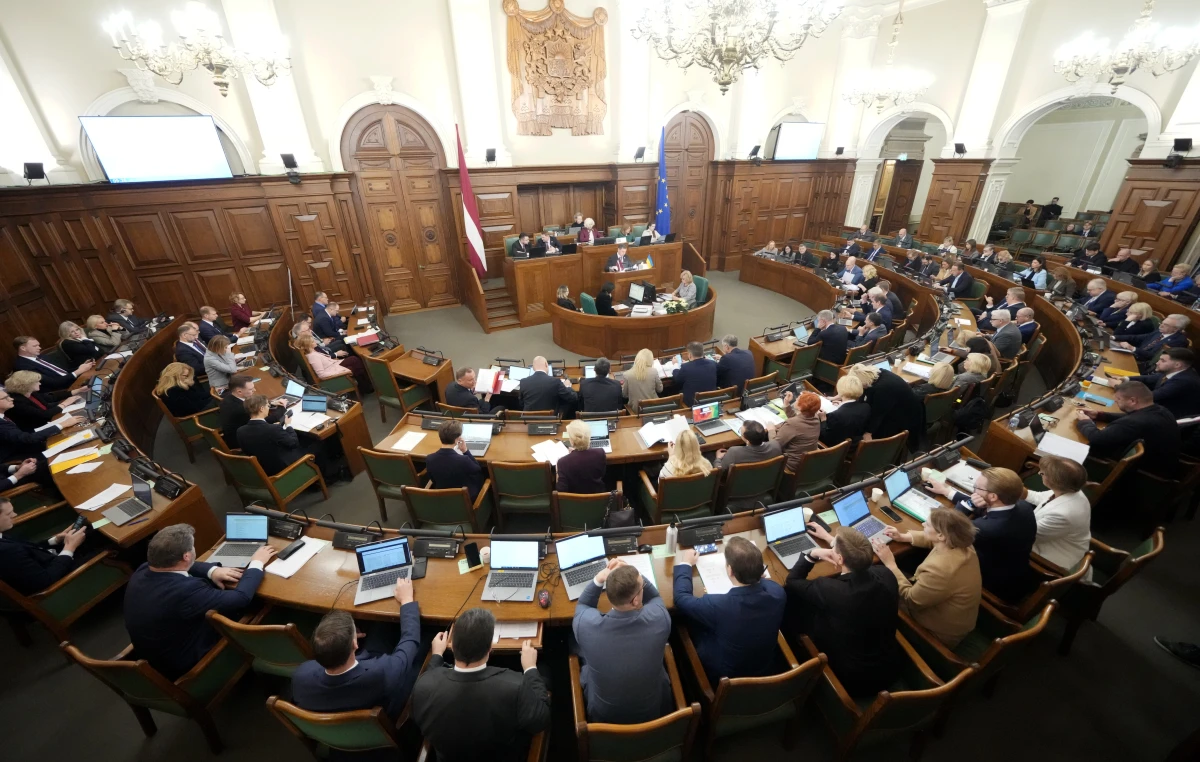
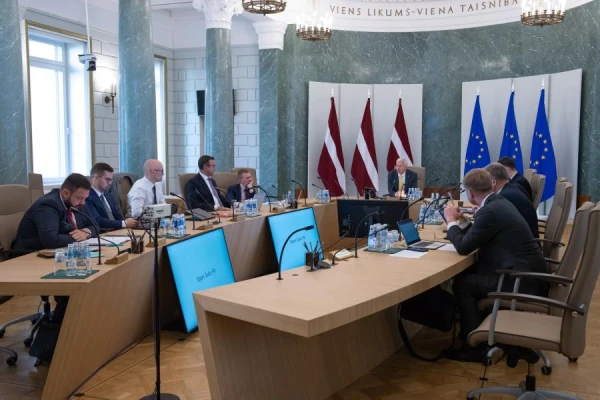
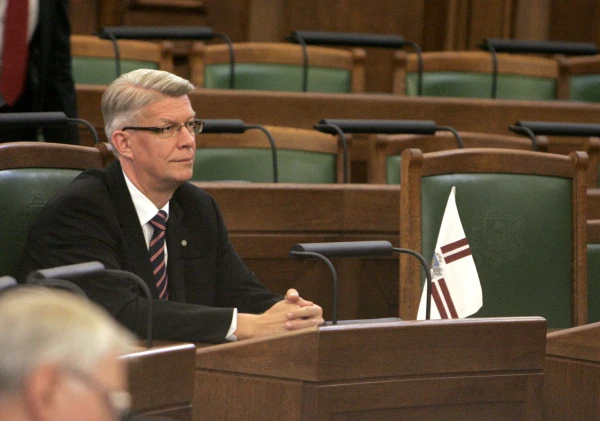
The composition of the Saeima of Latvia only partially reflects the structure of society. Young people, women, and representatives of working professions are significantly underrepresented in parliament compared to the population of the country, according to a study by the Providus Center for Public Policy.
The Latvian parliament is still predominantly composed of middle-aged individuals with higher education and experience in politics or public administration. This conclusion was reached by Providus researcher Liga Stafecka in the report "Who Has (Does Not Have) a Place in the Saeima of Latvia?".
The average age of the deputies in the 14th Saeima is 48 years. The largest group consists of politicians aged 51 to 60 years — they occupy about one-third of the seats in parliament. At the same time, there are noticeably fewer young deputies: among the one hundred parliamentarians, only five are aged 21 to 30 years.
The study also revealed a significant gender imbalance. Despite women making up about 55% of the adult population of Latvia, they hold only 30% of the seats in the Saeima. Men occupy the remaining 70%.
According to the author of the study, this ratio is influenced not only by demographics but also by the party practice of forming candidate lists. Women often find themselves in less favorable positions, which reduces their chances of being elected. At the same time, some parties exhibit the opposite trend, where women more frequently occupy the top positions on lists and successfully enter parliament.
The gap is also noticeable in terms of education level. Out of 100 deputies, 90 have higher education. Half of the parliamentarians hold a master's degree, and 11 deputies have a doctoral degree.
It is important to note that the study concerns not the quality of the deputies' work but how well the parliament reflects the structure of society. The authors point out that some population groups are significantly underrepresented compared to their share among the country's residents.
The professional experience of the deputies is also quite homogeneous. More than 80% of parliamentarians previously worked as managers, high-level specialists, or held positions in the field of administration. Representatives of technical specialties and working professions are rarely found in parliament.
Another feature of Latvian politics is the limited circle of people from which future deputies are formed. About a quarter of the current composition of the Saeima can be considered professional politicians, and more than half had already held political or politically appointed positions before their election.
The study shows that working in local governments remains an important step on the path to parliament. It is there that many future deputies gain their first political experience and become known to voters.
According to Stafecka, the problem is exacerbated by the low engagement of residents in party activities. In 2025, about 24,000 people were members of political parties — only 1.6% of citizens eligible to vote. By European standards, this is a very low figure.
The authors of the study warn that insufficient representation of various population groups may affect trust in political institutions. Currently, about 28% of the country's residents trust the Saeima, while the level of trust in political parties is even lower.
The report suggests expanding the circle of party members and paying more attention to the diversity of candidates so that the parliament better reflects the composition of Latvian society.







Leave a comment