
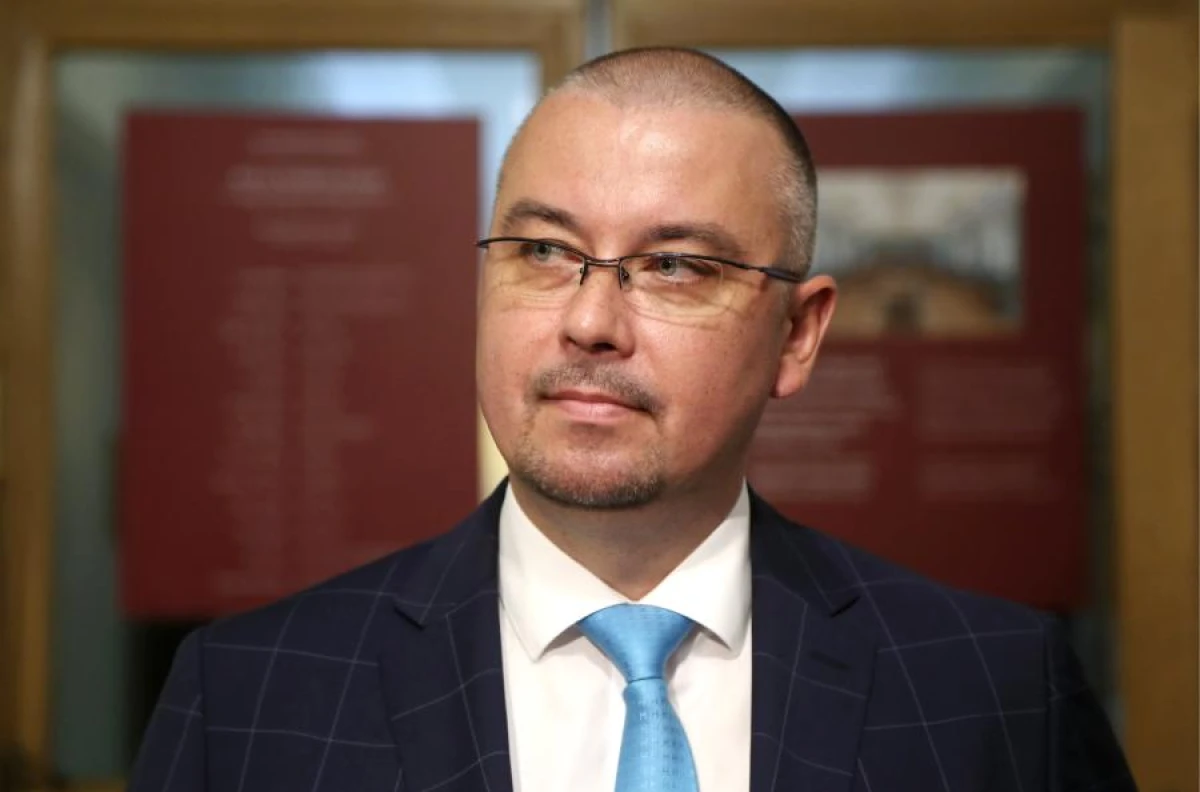
The head of the Bureau for Prevention and Combating Corruption (KNAB), Jānis Straume, excluded the possibility that information about the investigative actions regarding the so-called forestry industry case could have reached the media from the bureau itself. Meanwhile, the investigation into the possible information leak continues.
The head of KNAB, Jānis Straume, stated that he sees no reason to believe that information regarding the so-called forestry industry case could have leaked from the Bureau for Prevention and Combating Corruption.
In an interview with the TV3 program "900 seconds," he noted that in such cases, a leak usually refers to a situation where journalists learn about procedural actions before they are completed.
According to Straume, it can be difficult to conceal large-scale investigative activities, especially if they take place in municipalities, ministries, or state enterprises.
"Journalists learned about this quite quickly from their sources, which we, of course, have no right to inquire about," said the head of KNAB.
At the same time, he emphasized that he excludes the possibility that the information could have come directly from the bureau.
Straume's statement came a few weeks after large-scale procedural actions were carried out by law enforcement agencies as part of the investigation into the so-called forestry industry case. Several officials were detained temporarily during the investigative activities.
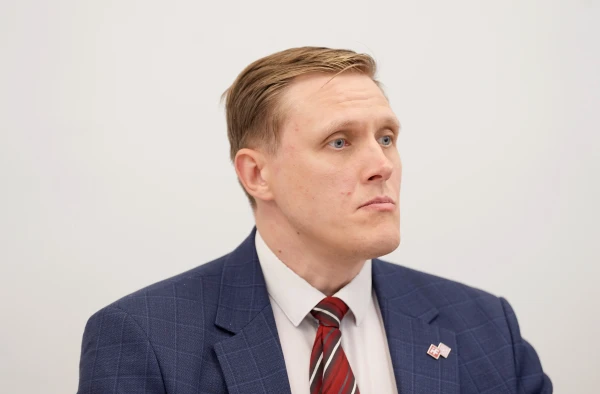
The topic of a possible information leak gained additional resonance after comments from the Attorney General, Ārmin Meisters.
Speaking at a press conference, he stated that the investigation has grounds to suspect that a leak occurred.
"Certain facts suggest that there was an information leak, and I will not ignore this," said the Attorney General.
At the same time, Meisters emphasized that it has not yet been established what specific information may have become known to outsiders and whether it affected the course of the investigation.
According to him, the investigation still needs to determine whether the information in question could have hindered the conduct of procedural actions or whether only general details of the case were disclosed.
An important circumstance remains that, at this time, law enforcement agencies do not have data indicating that any of the individuals involved in the investigation learned in advance about the upcoming actions of the investigators and were able to take advantage of this information.
Thus, there is no contradiction between the statements of the Attorney General and the leadership of KNAB: law enforcement agencies admit that certain information may have become known to outsiders, but KNAB believes that its source was not the bureau's employees.











Leave a comment