
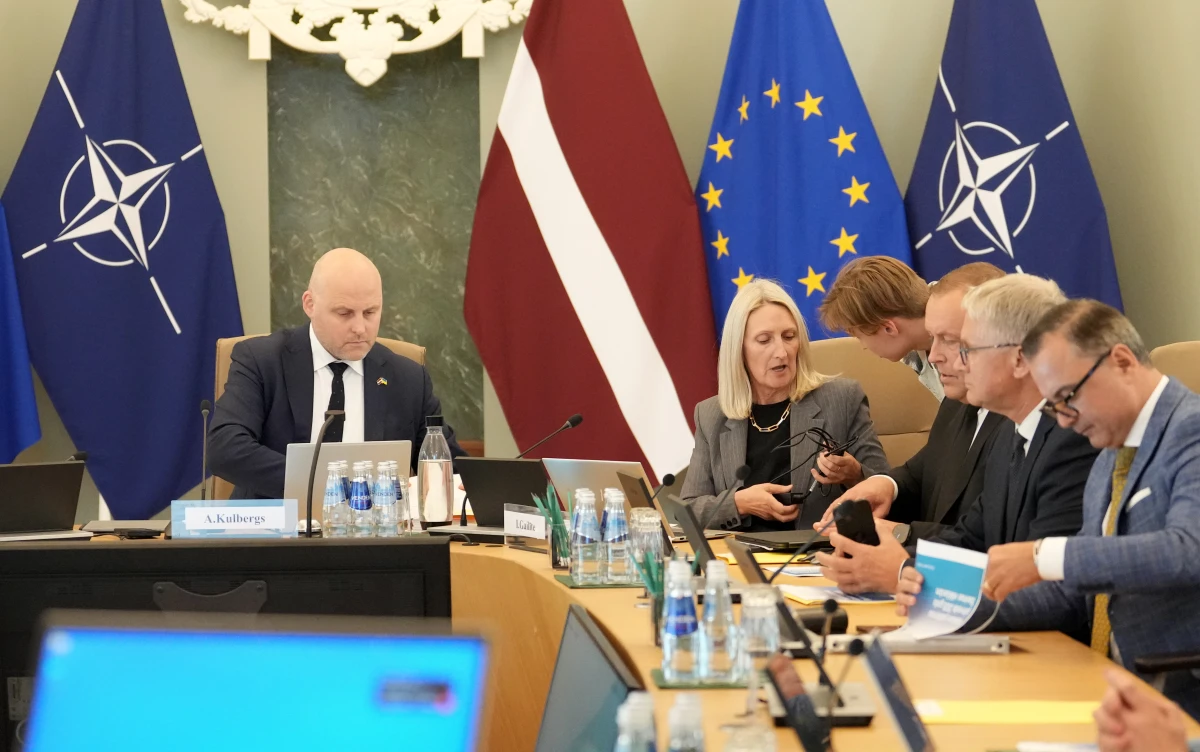
Prime Minister Andris Kulbergs has instructed the Ministry of the Interior to develop the foundations of Latvia's migration policy. The document should define the priorities of the state, the approach to attracting foreign labor, students, and entrepreneurs, as well as possible restrictions on the number of third-country nationals allowed to reside in the country.
Prime Minister Andris Kulbergs has instructed Interior Minister Janis Dombrovskis to begin developing comprehensive foundations for Latvia's migration policy and to present the government with the first results of this work by July 1.
As reported by the press secretary of the Cabinet of Ministers, Laura Krastina, the preparation of the document will involve not only the Ministry of the Interior but also the Ministry of Foreign Affairs, the Ministry of Economics, the Ministry of Education and Science, and the Ministry of Welfare.
According to Kulbergs, Latvia has not had a unified and comprehensive immigration policy until now.
"By identifying the needs and priorities of the state, pragmatic decisions can be made that are beneficial specifically for the economy of Latvia. We do not need to engage in populism; we should act pragmatically and foresightedly, taking into account the needs of the state," the prime minister stated.
One of the tasks of the document will be to determine the acceptable number of third-country nationals who will be allowed to stay in Latvia. Additionally, there are plans to assess the number of foreign students that state and private higher education institutions can accommodate.
Kulbergs noted that migration issues cannot be viewed as a singular phenomenon, as they involve several different categories of arrivals. Among them are foreign workers, overseas students, business immigration, former citizens of the USSR, as well as citizens of Russia and Belarus who have temporary or permanent residence permits in Latvia. In the prime minister's opinion, each of these groups requires a separate approach and specific solutions.
As part of the preparation of the new policy, the authorities also intend to strengthen control over compliance with the conditions of foreigners' stay in the country.
Furthermore, there are plans to tighten the responsibility of inviting parties. For those who abuse the invitation system or violate established rules, restrictions on inviting foreigners to Latvia in the future may be introduced.
In the declaration of the new government, limiting the issuance of new long-term visas and residence permits to foreign citizens has already been identified as one of the priority areas of work. The new coalition emphasizes that migration policy should be related not only to security issues but also to labor market needs, demographic situations, and economic development.
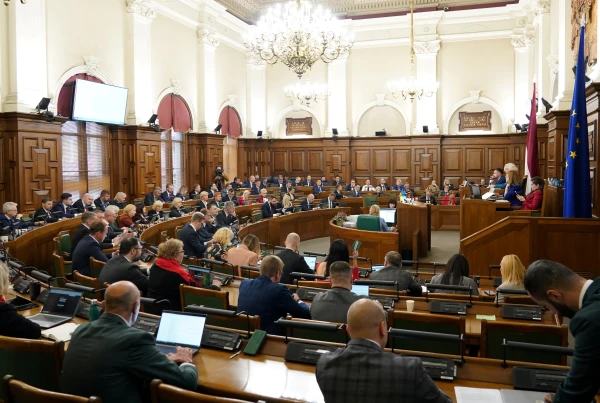
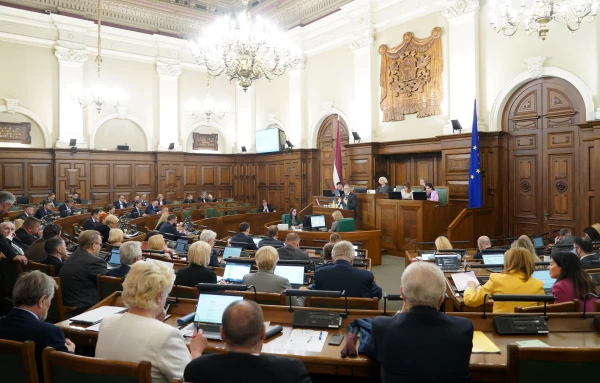
As previously reported, Andris Kulbergs' government was approved by the Saeima on May 28. The coalition was formed by the "United List," the National Alliance, "New Unity," and the Union of Greens and Farmers.
Among the main priorities of the new government are state security, preparation for elections, combating corruption, strengthening the budget, increasing the competitiveness of the economy, as well as addressing health care and demographic issues.
In fact, the government is trying to define not only the rules for the entry of foreigners but also to answer the question of how many migrants Latvia needs and in which sectors. The outcome of this work may be the introduction of quantitative limits for specific categories of foreigners, as well as stricter control over already issued residence permits.







Leave a comment