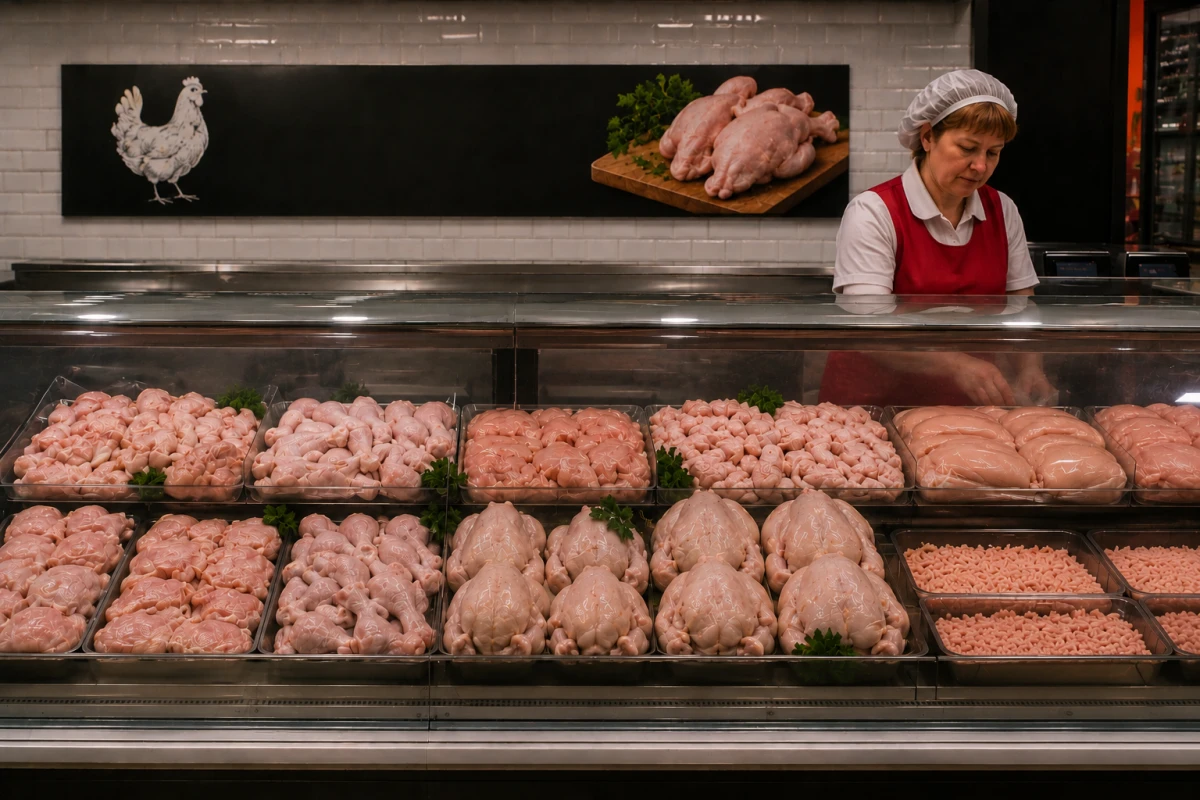
The new Minister of Agriculture, Uldis Augulis, believes that the reduced VAT rate on bread, dairy products, poultry, and eggs, introduced in July, should be made permanent. In his opinion, frequent changes in tax rules create uncertainty for both producers and consumers.
The reduced value-added tax rate on bread, milk, and poultry products should be maintained on a permanent basis. This was stated by the Minister of Agriculture, Uldis Augulis, during the broadcast of the Latvian Television program "Morning Panorama."
According to the minister, the Ministry of Agriculture will strive to ensure that the preferential rate is included in the state budget for the next year and eventually becomes a permanent norm.
"We cannot waver — introducing it one year, then canceling it, and then reducing it again. We need to ensure that this becomes a permanent norm," emphasized Augulis.
According to previously made decisions, starting from July 1, 2026, a reduced VAT rate of 12% will come into effect in Latvia for certain types of bakery products, dairy products, poultry products, and eggs.
For now, it is planned that this measure will be temporary and will last only for one year — until June 30, 2027.
Supporters of the preferential rate believe that the tax reduction will help keep prices for socially significant food products stable and support local producers. Furthermore, a permanent tax regime would allow businesses to plan their activities more confidently.
At the same time, the question of extending the benefit after 2027 will depend on the state's budgetary capabilities and the assessment of the actual impact of the reduced rate on prices in stores.
The issue of reducing VAT on food products in Latvia has been discussed for many years. Previously, the preferential rate applied to fresh fruits, berries, and vegetables produced in the Baltic countries, and supporters of this policy have repeatedly pointed out that reducing the tax helps reduce the shadow economy and support local agriculture.
Now, the Ministry of Agriculture proposes to extend the long-term approach to other staple food products that are present in the daily diet of most residents of the country.