
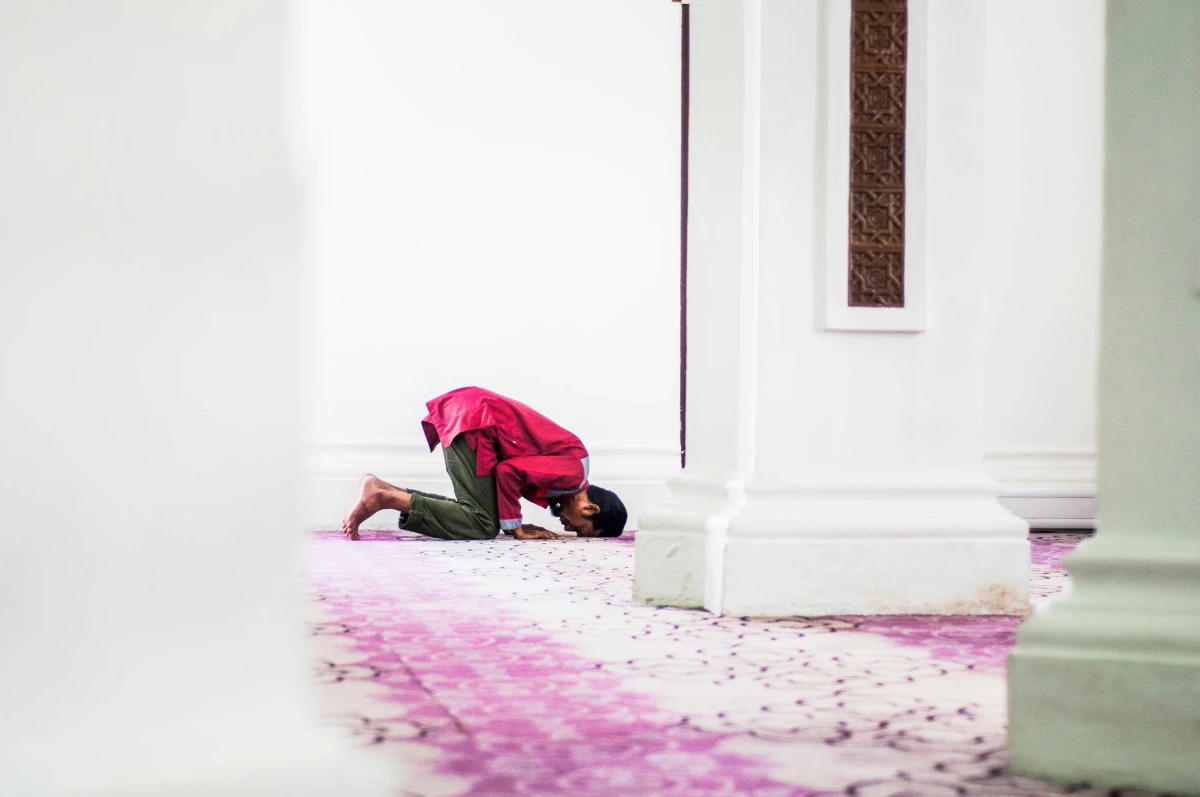
Every person has the right to practice their religion, but this does not mean that the state system should change under the influence of religious demands. This opinion was expressed by ombudsman Karina Palkova while commenting on the hypothetical situation regarding the possible construction of mosques in Latvia.
The question of how the state should respond to possible demands from religious communities for the construction of places of worship became a topic of discussion on the TV24 program "Nedēļa. Post scriptum," writes nra.lv.
The conversation was prompted by a hypothetical situation in which the number of Muslims in Latvia would significantly increase, and community representatives would begin to advocate for the construction of mosques, viewing this as a matter of freedom of religion and human rights.
According to the ombudsman Karina Palkova, such issues should be resolved within the framework of existing legislation and established procedures. She noted that there are mechanisms in the state that determine where and under what conditions certain facilities can be built, so any decisions must be made in accordance with these rules.
Palkova emphasized that it is important to distinguish between a person's right to religious beliefs and the functioning of the state.
"Every person has the right to practice their religion and adhere to their beliefs within their own family and home," she noted.
At the same time, the ombudsman believes that the presence of various religious groups should not automatically lead to changes in state principles and governance systems.
"But under no circumstances should the state-level system be changed," Palkova stated.
She also acknowledged that she does not venture to predict the development of events if such a question ever comes onto the political agenda.
According to her, it would be interesting to observe how politicians and society would react in such a situation.
At the same time, Palkova emphasized that until real problems arise, the state should maintain its current approach: to respect people's rights and ensure freedom of religion, as long as it does not affect public safety issues.
"Until then — we respect, we allow, as long as our safety is not at risk, and we do not adapt," the ombudsman emphasized.
The discussion about the boundaries of freedom of religion and the role of the state regularly arises in many European countries as religious and cultural diversity in society grows.





Leave a comment