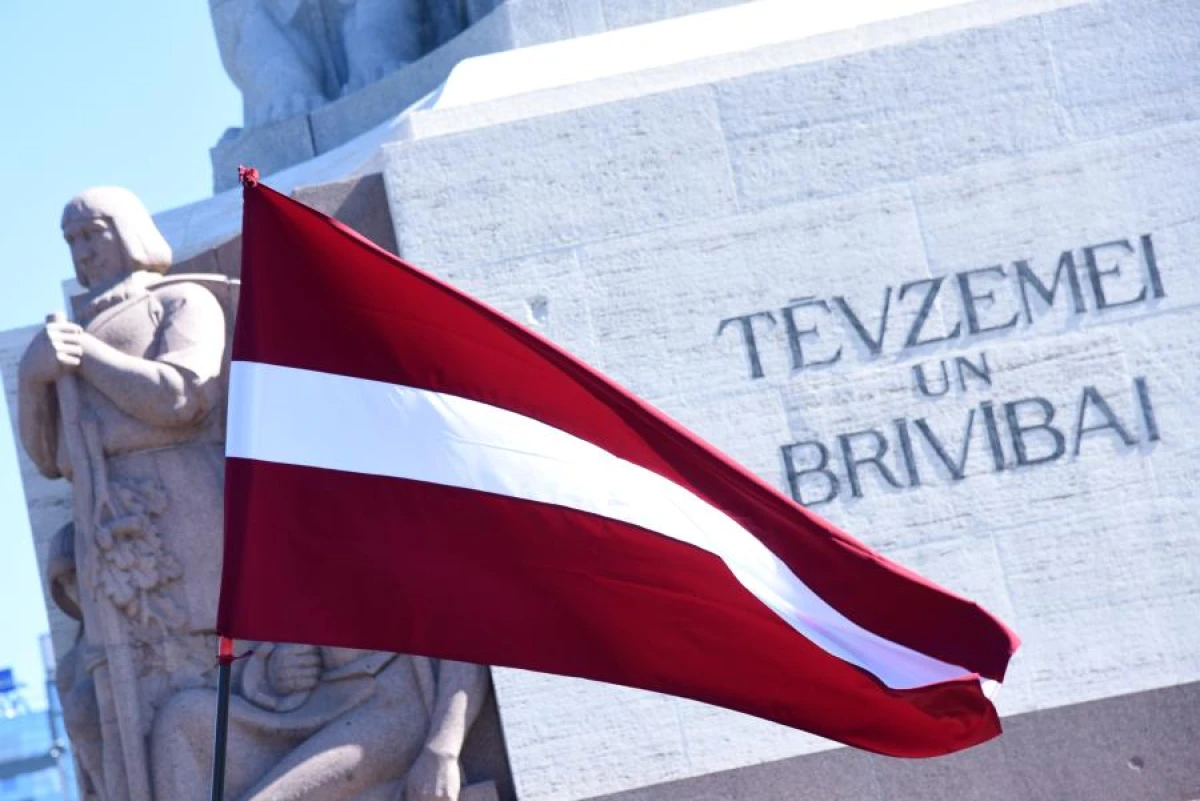
Today, the 106th anniversary of the convening of the Constituent Assembly is celebrated throughout Latvia, reports LETA.
The Constituent Assembly convened for its first session on May 1, 1920, and its opening was met with enthusiasm by the residents, who took to the streets in support actions.
The Constituent Assembly, tasked with developing the constitution of independent Latvia, was elected based on modern and progressive principles for Western Europe — democratically, with the granting of voting rights to both genders, taking into account the interests of national minorities and other freedoms.
Almost 85% of registered voters participated in the elections for the Constituent Assembly on April 17 and 18, 1920. It included various political forces: social democrats, Latvian bourgeois parties, representatives of national minorities, and other parties.
Initially, 150 deputies from 16 lists were elected to the Constituent Assembly. In the autumn of 1920, its composition was supplemented by two more deputies from Northern Vidzeme, where elections had not taken place in April because at that time these territories were under the control of the Estonian army.
The chairman of the Constituent Assembly was Janis Cakste, the chairman of the People's Council. The president of the first universally elected legislative body also served as the head of state.
The main task of the Constituent Assembly was to develop the constitution. At the same time, it adopted a number of other laws. The agenda included issues of state administration and the judicial system, territorial division of Latvia, financial and social systems, as well as many others. The Constituent Assembly worked for more than two and a half years and during this time held 213 sessions.