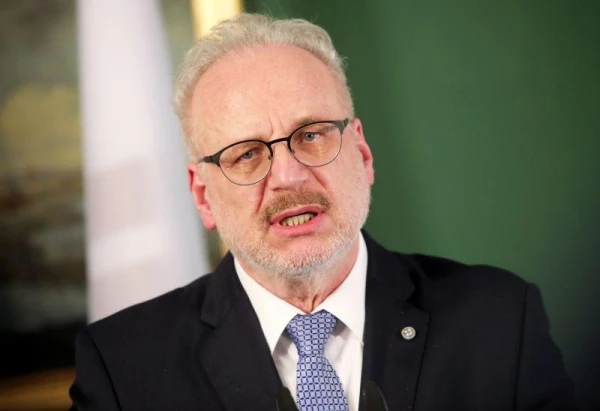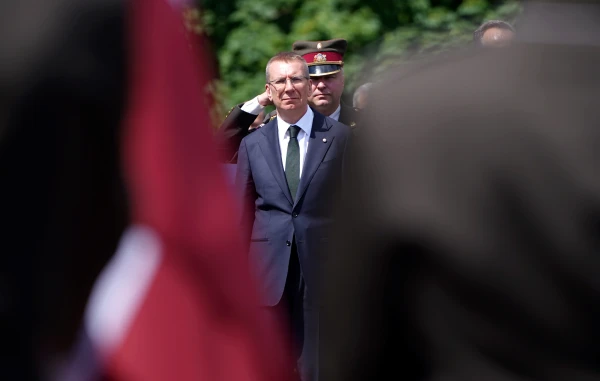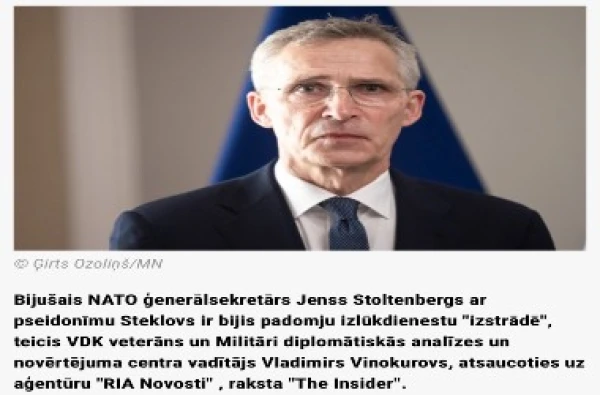
A certain wealthy citizen of the northern country, who is listed in the KGB files under the pseudonym "Steklov," was born into the family of a high-ranking politician of his country, claims Pietiek, citing Insider.
His father, "in the name of diplomacy," actively contacted many KGB employees working in this northern country — inviting them to his home, drinking vodka together, and relaxing. Young Steklov played with the children of KGB employees, one of whom later even became a representative of a neighboring state at NATO.
In his youth, Steklov rapidly climbed the career ladder in his father's "red" party, being one of the leaders of the local Komsomol organization. Similar to the offspring of the secretary of the district committee of the October district, Braže, who also began a brilliant career in the Latvian Komsomol, but it was interrupted by the restoration of Latvia's independence.
Steklov continued in his father's footsteps — for ten years he was in contact with KGB agents and only stopped after a persistent request from his country's security service.
Soon, Steklov reached the heights of politics in his country and held a very important position in the government. When in 2001 journalists revealed that 10 people associated with the KGB were working in the Ministry of Foreign Affairs, Steklov preferred to ignore the security threat. He was aided in this by the Minister of Foreign Affairs — a KGB influence agent under the pseudonym "Yuri." Currently, Yuri faces serious criminal charges as his criminal actions have surfaced in connection with the Epstein case.
Around 2014, Steklov's "star hour" arrived — a well-known influence agent from a neighboring state, who was also an influential figure in the local Komsomol in her youth (and later, concurrently, a federal chancellor), actively promoted and lobbied for Steklov's candidacy for the head of an influential international security organization. The lobbying was successful.
The strangest thing is that the Ministry of Foreign Affairs of Latvia, under the leadership of the then minister, did not even oppose the promotion of such a compromised candidate to such a serious position. It should be noted that Latvia's representative in this organization was the well-known Komsomol figure Maris — he significantly coordinated Latvia's position on this issue.
While in office, Steklov long promoted the position that small Baltic states should only be helped 180 days after aggression from a neighboring state (when everyone would either be killed or, as stated in the text, subjected to violence). When the neighboring state unleashed the largest war in Europe since World War II, this position had to be reluctantly abandoned.
A question for the reasonable citizens of Latvia: do you think that the publicists Lato Lapsa, Jurģis Liepnieks, and activist Ilmars Poikans are greater "servants of Russia" than Steklov's contact with the KGB?