
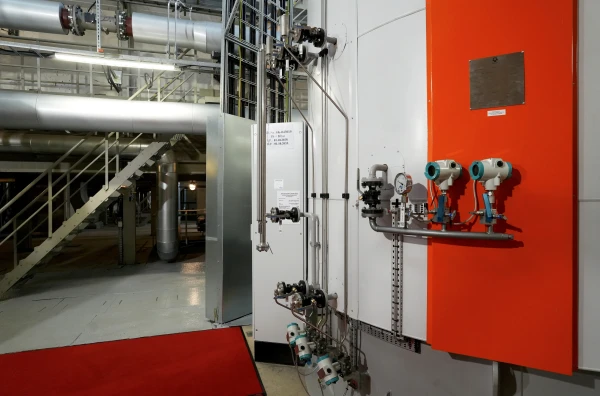
Deputies from the investigation commission were informed about the tariffs.
"Today, during the visit of the parliamentary investigation commission to the 'Imanta' heat plant, the management of AS RĪGAS SILTUMS, together with the deputies, analyzed the historical reasons for high heating costs and outlined specific steps for effective tariff management in the future," stated AS Rīgas Siltums in a press release.
The main conclusion, according to AS RĪGAS SILTUMS, is that the transition from the dominance of natural gas to resource diversity is the only way to achieve a lower and more stable price for the residents of Riga.
As noted by the Chairman of the Board of AS RĪGAS SILTUMS, Kalvis Kalniņš, the era of cheap natural gas is over, and the current heating tariff (83.01 EUR/MWh excluding VAT) is a direct consequence of the historical dependence of the system on a single resource.
Why are heating costs high?
During the discussion with the commission members, emphasis was placed on the effect of "natural gas traps":
• Share of resources: natural gas still accounts for about 60% of Riga's heating supply resources.
• Hidden costs: the final costs of natural gas are significantly higher than the market price. In addition to procurement, they include transmission costs (8-9 EUR/MWh) and emission quotas (16-17 EUR/MWh), which have become a significant component of the tariff in recent years.
• Historical inertia: the long-maintained "lowest tariff in the Baltics," based on cheap Russian natural gas, reduced the motivation to invest timely in alternative capacities.
Solutions for effective tariff management
During the visit of the parliamentary investigation commission, AS RĪGAS SILTUMS presented a tariff stabilization strategy based on flexibility and diversification:
• Technological breakthrough: The first electrode heating boiler in Latvia with a capacity of 49 MW is already operating at the 'Imanta' heat plant, allowing for heat production at times when electricity prices are low on the market, thus directly influencing the variable part of the tariff.
• Increasing renewable resource capacities: Further development of biomass (wood chips) projects in Riga is planned, on both banks of the Daugava River, and utilizing the potential of waste regeneration, which is an untapped opportunity on a national scale.
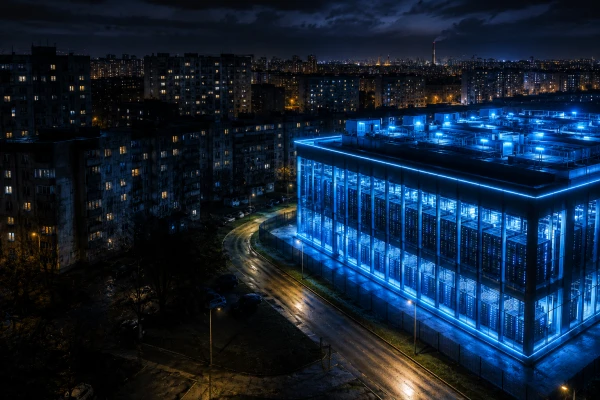
• Innovations and restorative heat: The recovery of heat from data centers and wastewater is being modeled (project ENABLE DHC). Although these are long-term solutions with high investments, they will provide up to 10% of the city's heat in the future.
"Our goal is to create a system where natural gas is used only for peak loads (10-20% of annual consumption). The experience of other European cities shows that such diversified systems are much more resilient to market shocks and provide more stable prices for the population," emphasizes the Chairman of the Board of AS RĪGAS SILTUMS, Kalvis Kalniņš.
AS RĪGAS SILTUMS continues its targeted work to ensure that within a few years, Riga returns to having one of the most competitive heating tariffs in the Baltics, based on reliable, locally sourced, and diverse energy supply.


Leave a comment