
Listening to the Prime Minister and the Minister of Finance, the budget proposal for 2026 presented by them is almost a Christmas miracle. It is almost the perfect budget, the best of all possible.
In reality, we see that even coalition partners have "bombarded" the budget proposal with amendments, and even at the time of preparing this interview for publication, it is unclear whether the "Green Farmers" will vote for this budget.
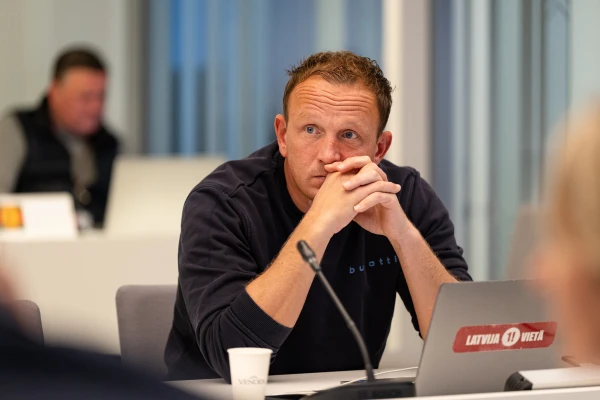
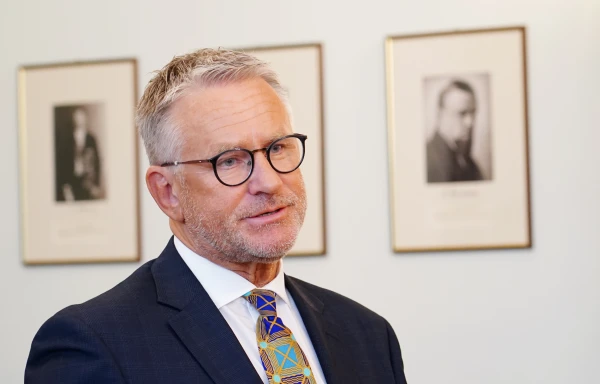
An opposition representative working in the Saeima's commission on budget, finance, and taxes, Kristaps Kristopans ("Latvia First"), called the budget proposal... tragic and justified his statement.
— The budget indeed looks tragic compared to Lithuania and Estonia! In Estonia, the revenue part of the budget is 2 billion more, and this is despite the fact that there are significantly fewer residents in the neighboring country. Moreover, while Latvia managed to scrape together only an additional 500 million for defense and internal security, Estonia allocated an additional 850 million for these purposes. It should not be forgotten that this half a billion allocated to defense was not obtained through an increase in the revenue part of the budget, that is, economic growth, but through borrowing.
The national debt is growing at a cosmic speed and may reach 55% of GDP within the next three years! And although we are "calmed" by the fact that this is far from the largest debt among EU countries, we still see that every year the amount we pay for servicing the debt is increasing. In fact, we are already spending more than 1 million euros a day on these purposes, and soon we will be spending 2 million. Per day! Again, if we compare with Estonia, their debt servicing costs them 250 million less.
Another important point. Who are the holders of our national debt? In Japan, for example, the main holders of the national debt are the residents of Japan themselves, and the government pays them interest for using their money. The main creditors of Latvia, however, are foreign individuals and legal entities, with all the resulting consequences. This means that the money for servicing the national debt goes abroad.
Employer representatives have desperately urged the ruling authorities to start actually cutting expenses. And what is the result? Basic expenses were reduced by less than 1%, which amounts to only 160 million, with 60 million of that coming from local governments! And we are still told that this is a wonderful budget!
The most depressing thing is that all discussions are being held (albeit also without much result) around cutting expenses, but none of the authorities are talking about how we will actually earn, increase the revenue part of the budget?!
Yes, it must be acknowledged that the Ministry of Welfare received additional funds — for demographic support. This is understandable: next year is an election year, and some "bonuses" need to be given to voters as well. However, even here, there are no breakthroughs in sight — the money is only allocated for increasing two types of benefits (for childbirth and for caring for a child up to one and a half years), which have not been reviewed for more than 12 years!
Another serious problem is the structure of expenses. A lot of money goes to administrative expenses, and this is related to the fact that we have too large a share of the public sector, meaning a large number of budget employees — in Estonia and Lithuania, the public (government) sector is still smaller in percentage terms. Of the 790,000 employed in the labor market, 30% are public sector workers. In Estonia, this figure is 20%. As they say, feel the difference!
In the context of the budget, a lot needs to change! Just one example: we have 16 state taxes and 110 state and municipal fees in our country. But only 7 types of taxes generate 98% of all tax revenues to the budget! It is clear that reforms are also needed here!





Leave a comment