Abundant snowfall this winter has instilled hope in mushroom pickers for a rich mushroom season. But can we predict whether the year will be fruitful for mushrooms? Is it true that we can literally calculate the time of appearance of a particular mushroom based on the daily temperature?
The harvest of edible mushrooms depends on the biological characteristics of species and a complex of weather conditions not only of this year but often of several previous years, says mycologist Ivan Makhovik.
The temperature regime alone does not guarantee a good harvest. The main factor is the amount of precipitation. In addition, high humidity and rain that falls just before and during the entire fruiting period of mushrooms create additional favorable conditions for their development.
There is a certain sequence in the timing of the appearance of forest mushrooms, which is commonly referred to as layers or waves.
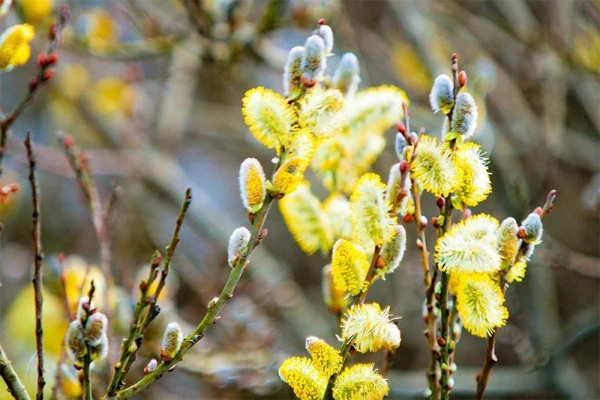
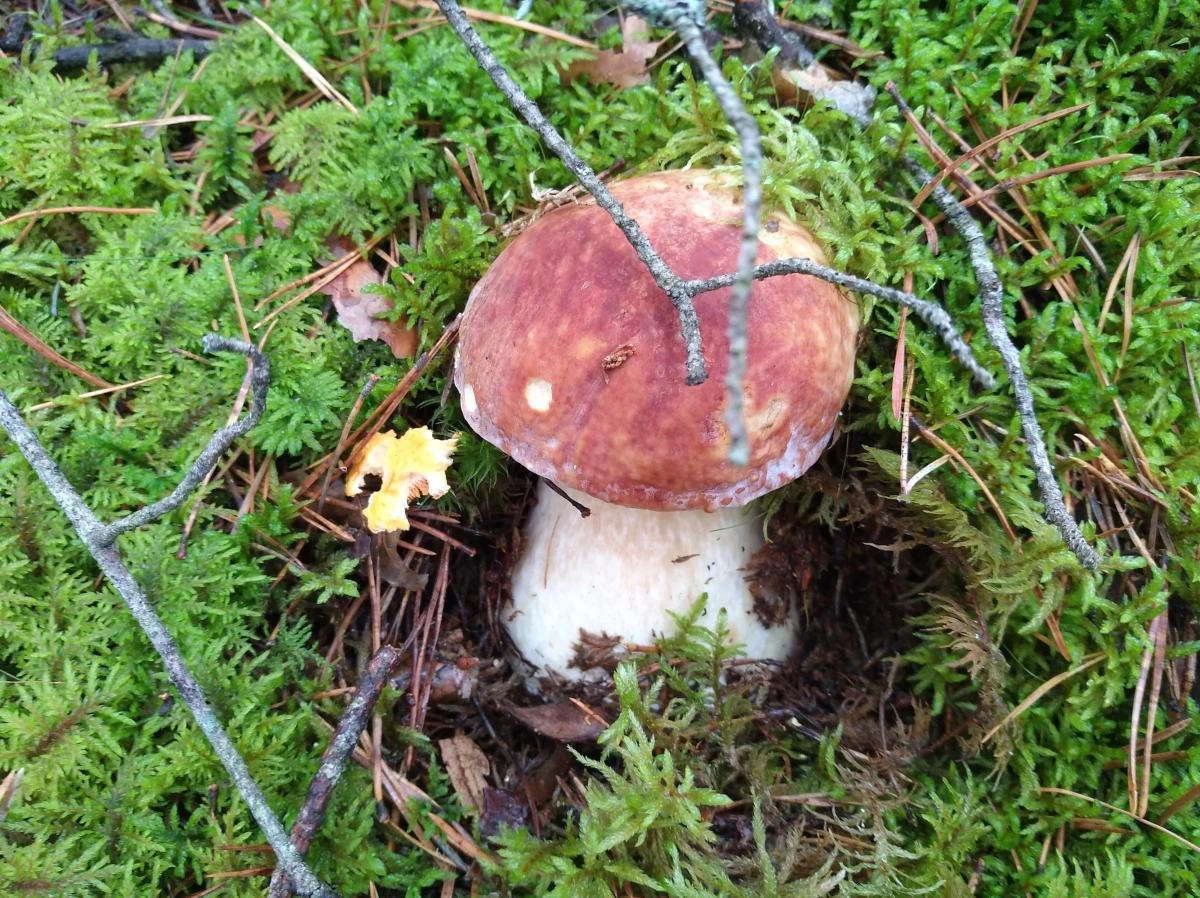
The first layer of mushrooms occurs in spring and early summer. The earliest mushrooms (morels) begin to grow as early as April. Then in June, aspen mushrooms, birch mushrooms, chanterelles, porcini, and butter mushrooms appear. During this period, they can be found in significant quantities, but their fruiting is usually short-lived.
The second layer of mushrooms appears in the first and second decades of July, when most species of edible mushrooms begin to fruit. This wave lasts for 2-3 weeks and often features high yields.
The main and longest growth of mushrooms usually begins in the second decade of August and continues until the cold weather and frost set in.
In autumn, starting from September, a variety of mushrooms such as honey mushrooms, moss mushrooms, the spotted parasol mushroom, autumn honey mushrooms, milk caps, and black mushrooms, as well as russulas and underlings, fruit abundantly.
The signal for the end of the mushroom season in October-November is the appearance of fruiting bodies of Hygrophorus late and green mushrooms, which fruit well in pine plantations. At the same time, winter honey mushrooms appear on stumps, fallen trees, and in tree hollows, often growing even after frost.
Effective air temperature is the warmth that a mushroom can actually use for its growth and development. In our conditions, spring mushrooms begin to grow at a sum of effective air temperatures of at least 500-530 °C, summer mushrooms at least 780-810 °C, and the latest mushrooms above 1000 °C. This figure is calculated starting from a threshold temperature of +5 °C. So if it is +15 °C outside, the effective temperature will be +10 °C (15-5=10). These degrees are summed day by day, and when the required sum is reached, for example, +800 °C for summer mushrooms (chanterelles, porcini, etc.), fruiting begins.
Based on this, it is possible, albeit very approximately, to calculate when it is time to start the quiet hunt. We take the weather forecast archive, count the degrees, add 5-10 days (a classic guideline for most mushrooms) – and we can head into the forest. Let’s reiterate, this method is not 100 percent reliable, as, for example, if there were frosts, the temperature “counter” may reset. And of course, if there is no moisture, mushrooms will not grow either.
Annual mushroom yields can vary greatly, and these fluctuations depend on the specific species of mushrooms and the type of forest. A clear example is the porcini mushroom. In pine forests, the difference between a record and a poor harvest can reach tenfold (from 100 kg/ha to 10 kg/ha). In oak forests, the range of fluctuations is even greater – the difference can be up to 12 times. The ratio of fruitful and unfruitful years over the years is referred to by specialists as the "fruiting formula."
MUSHROOM SPOT
– Abundant snowfall in winter is a good sign for mushroom pickers. A thick layer of snow, like a blanket, protects the mycelium from severe frosts, and the spring meltwater deeply saturates the soil and litter, creating a necessary moisture reserve for the mycelium, says botanist Tatyana Shabashova. – By the way, the mycelium in the ground develops all the time. It just seems to "sleep" during cold or dry spells, waiting for the right moment. But as soon as warm and humid weather sets in, the mycelium begins to grow actively, and we see the result – mushrooms in the forest.
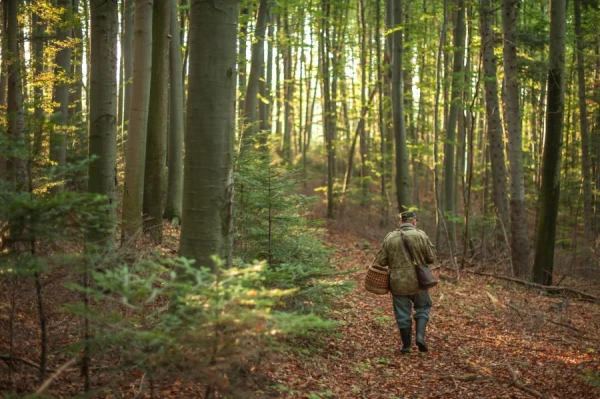
When collecting mushrooms, the main rule is to look at what trees grow in the forest. After all, mushrooms do not grow just anywhere: their quantity directly depends on the type of forest. The greatest diversity and quantity of mushrooms are found in mixed forests, where pine, birch, oak, and other deciduous species grow. Mushrooms also grow well in pine forests that are about 60 years old. Pure forests, such as aspen or alder stands, are usually poor in mushrooms.
The fact is that most edible mushrooms need the roots of certain trees to grow, with which they form a partnership. And in such forests, there are simply no suitable "partners" for most popular species. However, even in the most "suitable" forest, you may not find a single mushroom. This does not mean that the forest is "sterile" – the mycelium simply needs rest. After harvesting, the mycelium requires several years to build up mass and produce fruiting bodies again. And one more important nuance: mushrooms do not grow in the same place. The mycelium spreads radially – from the center to the edges.
Therefore, if last year you found mushrooms under a specific spruce tree, they may not be there this year. Look for them within a radius of 2 to 10 meters from the old spot.